Care at The Cedars South Coast Estate — Dududu
The Cedars South Coast Estate: the group’s original rural campus
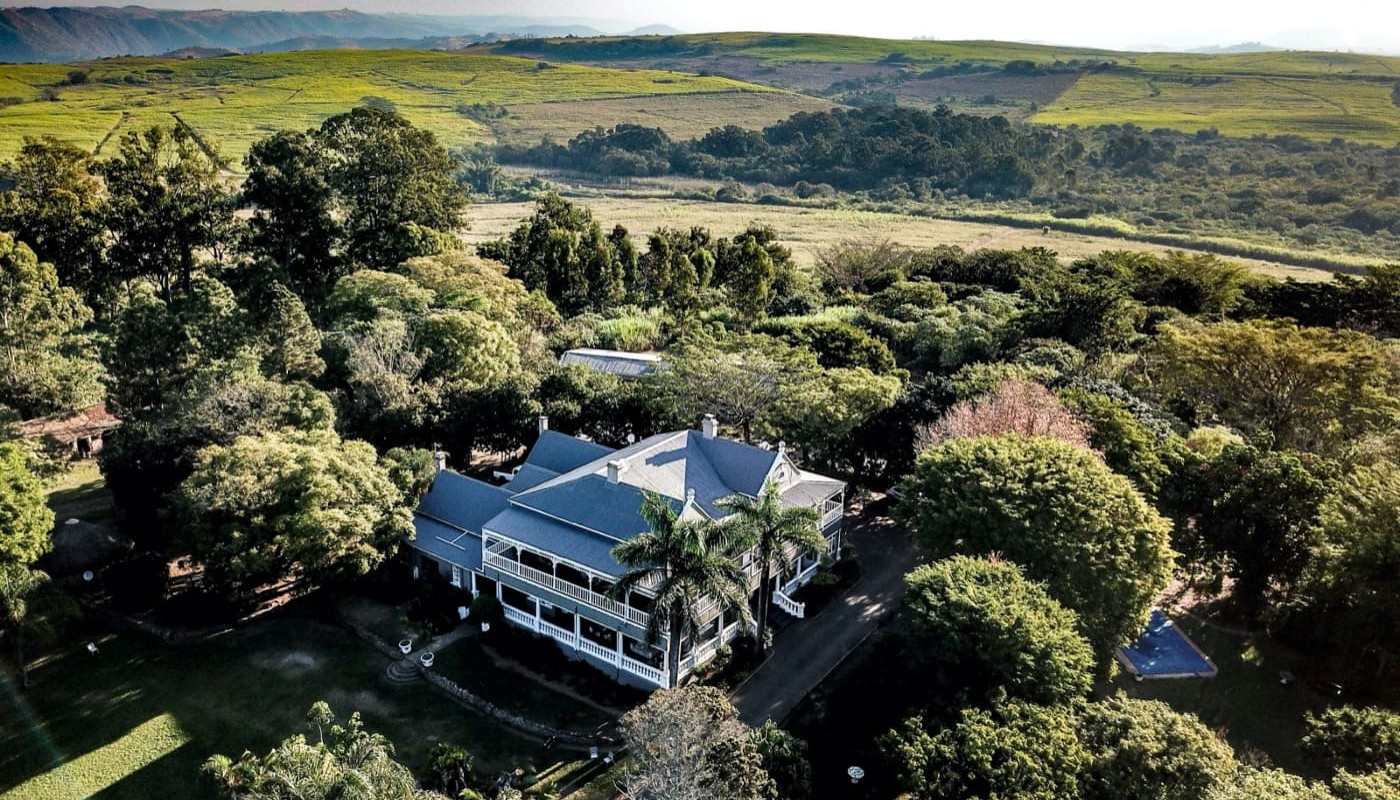
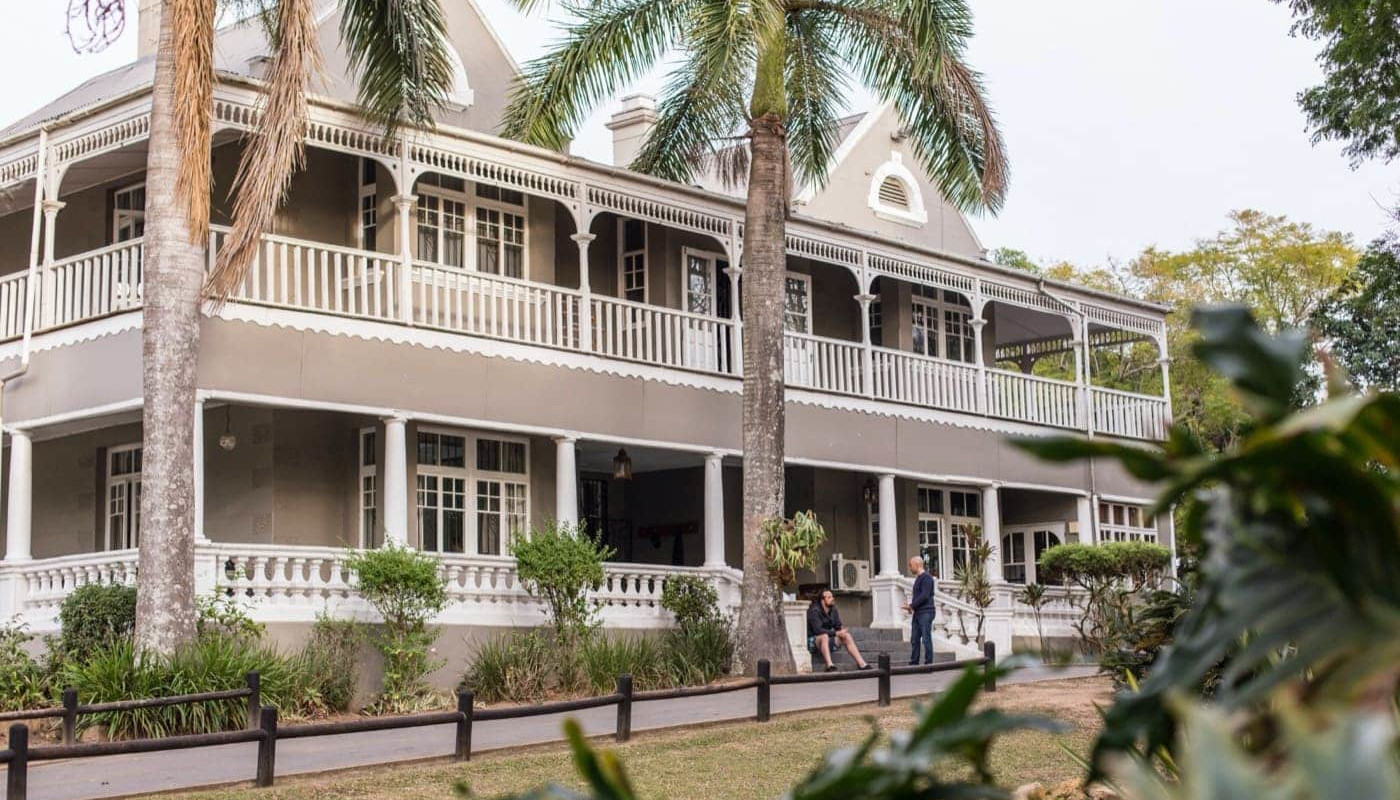
The Cedars South Coast Estate is a residential addiction treatment location in the Dududu area of KwaZulu-Natal, near Scottburgh. The official campus page describes a historic farmhouse among sugar cane fields, with gardens, mature trees, and accommodation for thirty-eight residents. Keith and Julia Wilkes established this original Cedars location in 2002. Its rural setting and established treatment community distinguish it from the group’s Cape Town suburban house and its separate Midlands estate. An applicant should specify South Coast Estate when asking about rooms, staffing, activities, or travel arrangements.
The campus is intended for a period of residential addiction work, combining a 12-step framework with clinical assessment, counseling, group therapy, and daily routines. It may appeal to someone looking for a community-based program away from their usual environment. The grounds and recreational activities are part of that experience, but they do not determine medical suitability. Someone with complex withdrawal needs, unstable psychiatric symptoms, or mobility limitations should obtain a specific assessment of what this location can manage before arranging admission.
A 12-step model supported by clinical care
The group’s description of its approach places the 12 steps at the center of treatment. Residents complete written work, discuss their experiences with counselors, and practice changes within the therapeutic community. The provider also describes individual counseling, group therapy, cognitive and behavioral approaches, and medication-assisted stabilization when needed. This is therefore a strongly 12-step-oriented program with professional services around it, rather than an approach in which peer support is an occasional optional extra.
For a prospective resident, the practical question is how those components will fit their own needs. A counseling session may address a personal pattern or relationship difficulty, while a group offers opportunities to receive feedback and practice communication. Cognitive and behavioral work can be incorporated into those settings, but the official material does not specify one universal manual or a guaranteed number of CBT sessions. Ask the assigned team to explain the proposed therapeutic work, how it relates to the step curriculum, and how it will be adapted when a person has previously struggled with a similar model.
The treatment pages list alcohol and other substance use problems as well as behavioral concerns such as gambling, compulsive sexual behavior, and problematic gaming. A broad list should not be treated as confirmation of a specialist service for every possible presentation. In particular, an eating disorder, severe trauma-related symptoms, or another mental health condition may require additional expertise and medical assessment. The provider’s admissions review should establish whether those needs can be addressed at South Coast Estate and whether a different setting is indicated.
Primary care, deeper treatment, and increasing independence
The treatment model has primary, secondary, and tertiary phases. Primary care includes a physical assessment, medication-assisted stabilization when appropriate, introduction to the 12 steps, individual counseling, daily groups, and educational work. The provider describes residents usually working through the first three steps during this phase. Regular meals, exercise, and participation in the community accompany the clinical work. The pace depends on physical and psychological readiness rather than simply on reaching a calendar date.
Secondary care is described as a period of more detailed work on substance use, compulsive behavior, relationships, and the consequences of past patterns. Individual and group sessions continue while residents work through further steps and take on more responsibility in the community. The later phase is intended to prepare for greater independence, employment, and family life, with accommodation, meals, weekly check-ins, counselor appointments, and recovery meetings. Confirm where each phase would occur, because a group-wide description does not establish that every later-stage arrangement is available at the same campus for every admission.
Published duration information uses several related but nonidentical figures. The FAQ describes twenty-eight-day phases and recommends three phases, while the treatment page recommends approximately ninety days and separately refers to a twenty-one-day medical-aid-funded primary course. The admissions page mentions potential cover for up to twenty-eight days, subject to the plan. These should not be collapsed into one guaranteed minimum or insured stay. Request an individual clinical recommendation and a separate written funding decision showing the precise dates and phases covered.
Medical assessment, medication, and the local team
The Cedars describes a medical examination at entry, with stabilization medication prescribed when appropriate and administered by nursing staff. The South Coast team listing identifies Dr. Mark McDonogh as medical doctor, Mary Allison as senior enrolled nurse, and Duduzile Ndlovu as a nurse. It also names Casidy Atkins as clinical supervisor and addiction counselor, Mbali Mokganya as social worker, and additional addiction counselors and trainees. These are provider-published roles, not independent verification of each person’s registration or of continuous physician presence on site.
The distinction among a doctor, nurse, counselor, social worker, and trainee matters when comparing care. Lived recovery experience can contribute to peer understanding, but it is not interchangeable with a professional qualification. Ask who will carry out the initial medical review, who will prescribe and monitor medication, and what clinical cover is available overnight. The public pages reviewed do not establish an exact twenty-four-hour physician or registered-nurse roster for South Coast Estate, so this profile does not assume one.
The provider supports medication-assisted treatment but describes abstinence as a goal and places particular emphasis on short-term stabilization. Anyone taking ongoing medication should discuss continuation with the medical team and their existing prescriber before admission. General clinical guidance from the National Institute on Drug Abuse identifies medication as a central treatment option for opioid use disorder and distinguishes detoxification from continuing treatment. A residential philosophy should not be interpreted as an instruction to stop a prescribed medicine or as evidence that medication is incompatible with recovery.
Life at the South Coast property
The campus page describes a swimming pool, gym, yoga, aerobics, games and movie evenings, and occasional team activities or talent shows. Physical activities are adapted to capability. The surrounding area provides opportunities for hikes and coastal excursions near Scottburgh. An ocean safari is among the advertised activities; diving at Aliwal Shoal may be arranged by special request for people who already hold an appropriate diving qualification. These are recreational possibilities, subject to clinical suitability, weather, availability, and any additional arrangements, rather than guaranteed elements of every treatment week.
The official description establishes capacity and the farmhouse setting but does not provide a clear room-by-room statement that every resident receives a private bedroom and bathroom. Confirm the exact allocation, whether a room is shared, and any accessibility needs. The contact page places South Coast Estate on P77 Rural Road, Dududu Road, and gives the local landline as +27 39 974 0119. Use that exact campus identity when arranging a visit or transfer, since the group also lists separate Cape Town and Mooi River addresses.
According to the FAQ, room and board, program literature, and stationery are supplied. Halal or vegetarian meals can be requested, while toiletries, shop purchases, cigarettes, and other personal items may cost extra. Personal devices are generally restricted or limited according to the phase of treatment. Someone who needs contact with children, an employer, or another caregiver should ask for the current policy before arriving. A later phase’s greater independence should not be assumed to apply during initial stabilization.
Family work and preparing relationships for discharge
The family support service offers education, counseling, support groups, and integration support. The provider describes a free monthly workshop for immediate family members of current residents and a complimentary thirty-minute initial consultation for a relative seeking help. Further counseling or services should have their own cost and availability confirmed. Family support is also offered to people whose relative is not a Cedars resident, so it is broader than a visiting arrangement attached to a particular bed.
A resident is asked to nominate a family contact for appropriate weekly feedback. That is different from giving every relative unrestricted access to clinical information. The public family page also contains inconsistent wording about visits, including text marked for revision, so the precise current South Coast visiting schedule should be obtained directly. Useful family work can address communication, expectations, boundaries, and the practical changes needed at home. It should allow relatives to seek support for themselves without making them responsible for guaranteeing another person’s outcome.
Admission, price, and continuing recovery
The admission process starts with contact and a pre-assessment to identify the appropriate treatment and location. Funding and paperwork follow confirmation of acceptance. The group can assist international applicants with travel coordination, but medical acceptance, payment terms, and travel requirements should be settled before booking. The website’s central admissions number is +27 81 860 9578. This may be useful when considering more than one Cedars campus, while the South Coast office can clarify local practical arrangements.
No current numeric South Coast tariff was verified in the official pages reviewed. The provider supplies individual quotations and describes possible medical aid or hospital-plan cover, subject to authorization. Ask for the full proposed course price, what the first payment covers, how extensions are charged, and whether medical consultations, medication, transport, or optional activities create additional costs. A possible twenty-one- or twenty-eight-day funding allowance is not the same as a recommendation to complete all treatment within that period.
Continuing support is built around recovery meetings, sponsorship, further counseling when needed, family work, and planning for life outside the estate. Before discharge, establish where those supports will be available and which professional appointments are already arranged. For someone returning abroad or to another South African province, the plan needs to work in that actual location. South Coast Estate’s rural community and phased 12-step structure are concrete features to weigh alongside the medical plan, room arrangement, cost, and the person’s willingness to engage with this particular model.
Conditions
Levels of care
Settings
Treatment approach
12-step-based therapeutic community, medical assessment and indicated stabilization, individual counseling, daily groups, cognitive and behavioral work, family sessions, recovery meetings and discharge planning
Fees & admissions
Confirm current pricing
No current numeric campus tariff verified. Provider supplies an individual quote and may assist with medical-aid authorization. Published 21- and 28-day funding references are not guarantees of cover or the full clinical course.
Confirm the current program, duration, accommodation and included services directly with the center.
Pre-assessment determines clinical fit, exact campus and phase. Confirm medical and psychiatric suitability, ongoing medication, local staffing, room allocation, dates, funding and travel before arrival.