Care at The Hills Rehab Chiang Mai
The Hills Rehab Chiang Mai is a residential addiction and mental health provider in Huai Sai, Mae Rim District, north of Chiang Mai. Its current website describes a maximum residential cohort of twenty people, private villas, psychiatric involvement, and around-the-clock nursing support. The program combines individual and group therapy with a structured daily routine and physical or complementary activities. It also publishes separate addiction, mental health, and youth program descriptions. Those pathways overlap in some methods, but applicants should establish which one will guide their assessment and treatment rather than assume that every listed intervention belongs to every stay.
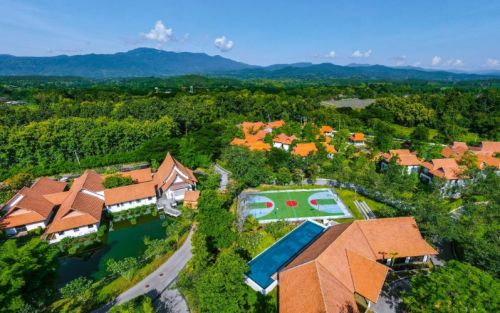
The location is relevant to the residential experience: clients live within a purpose-built setting in the foothills of northern Thailand, with therapy, meals, fitness, and shared activities organized around the program. This can offer a different routine from attending appointments while living at home. It also creates practical questions about travel, medication continuity, and follow-up after returning abroad. The most useful comparison with another center is therefore the proposed clinical plan and amount of direct professional contact, alongside the villa and recreational facilities.
Clinical oversight and independently listed accreditation
The current team page names Dr. Atcharee Sikkaman as clinical psychiatrist, Dr. Chayanis Som-on as general practitioner, and Tom Huijbers as Clinical Director. It also lists nurses, therapists, a pharmacist, and support staff. These roles describe different responsibilities within the service. Psychiatric assessment and prescribing should be distinguished from counseling, nursing observation, and practical support. Before admission, establish who will oversee the case and how medical and psychological decisions are coordinated across the team.
There is independent support for the provider’s AACI accreditation claim. The American Accreditation Commission International certificate names The Hills Rehab Chiangmai by Mantra Assets Co., Ltd., with certificate C277-2024-ACC-TH-IEEA. It records accreditation from August 26, 2024, valid until August 25, 2027. The provider separately publishes a Thai Ministry of Public Health license number, ST 74/2568. That operating-license statement is provider supplied in this review. Accreditation, local licensing, individual professional registration, and suitability for a specific patient are related but separate matters.
The Hills describes twenty-four-hour nursing, medical oversight, and access to a dedicated mental health clinic. Some pages describe an on-site clinic, while program material refers to a separate clinic for follow-up. Admissions should explain the actual arrangement for the proposed stay, including where consultations occur and which professionals are physically present overnight. This profile does not repeat the claim that The Hills is the only Thai provider with these features, or infer that it can manage every acute medical or psychiatric presentation.
The addiction program and its treatment rhythm
The addiction program page describes medically supervised detoxification when needed, followed by a structured therapeutic routine. The proposed withdrawal plan should depend on the person’s substance use history, prescriptions, physical health, and previous treatment. Someone already taking medication for an addiction or mental health condition should confirm its management before travel. A residential detox offer does not establish that every medication can be continued in the same way or that every withdrawal risk can be managed within the property.
The published example day includes morning movement and mindfulness, a process group, and a CBT- or DBT-related session. Afternoons can include counseling, personal training, or massage, with reflection after dinner. This gives a useful picture of how the program organizes time, but the categories should not be conflated. An afternoon described as one-to-one support may be a fitness or wellness appointment rather than psychotherapy. The written schedule should identify the expected number and duration of individual clinical sessions, alongside group work and complementary activities.
Weekly activities include recovery-related groups and AA meetings, as well as creative and physical sessions. The program overview says clients are assigned a therapist who works with them during the stay and monitors progress. That continuity can help connect the group material with personal goals. Ask how the plan is reviewed, whether a particular recovery-group format is expected, and what alternatives are available when a method is not a good fit. A sample timetable is a starting point for discussion, not a guarantee that every session runs unchanged.
Psychotherapy and trauma-related work
The Hills describes cognitive behavioral therapy and dialectical behavior therapy approaches in both individual and group settings. These can be used to explore recurring patterns and develop practical skills for managing emotions, relationships, and difficult situations. Its linked mental health brochure also identifies EMDR and trauma-focused work, including integration with Internal Family Systems concepts. These are descriptions of available approaches; they do not establish that every resident receives every method or a complete specialist course within a fixed stay.
The team biographies add useful specificity. Saji Joseph is described as a psychotherapist with a PhD and addiction-related training, rather than as a prescribing physician. Karusha Pather’s biography describes an addiction-focused social work background, while Daniel John Dean is presented as a humanistic counselor integrating CBT principles, motivational interviewing, and trauma-informed work. Applicants seeking one of these approaches should confirm the actual assigned clinician and appointment availability. A professional’s background gives context, but it does not determine the intensity or content of an individual treatment agreement.
The program also uses meditation, art-related activities, movement, and other complementary practices. These may offer additional ways to engage with a routine or explore personal interests, but they should be distinguished from medical treatment and structured psychotherapy. The brochure makes broad claims about the speed or mechanisms of some trauma interventions; those claims are not used here to promise faster recovery. The relevant clinical discussion concerns the proposed method, the person’s goals, how readiness is assessed, and how the team will respond if the approach needs to change.
Mental health care and the youth age discrepancy
The dedicated mental health pathway describes support for anxiety, depression, burnout, trauma, and PTSD. The homepage presents this care as available alongside or independently of substance use treatment. Its routine combines process groups, skills-based therapy, individual support, and activities intended to support daily functioning. A person whose main concern is mental health should ask whether they will join a mixed residential community, which groups are relevant to their needs, and how psychiatric review fits into the week.
The published minimum age for the youth program is inconsistent. The current youth webpage says eighteen and older, while the linked October 2026 youth brochure describes adolescents aged sixteen and above. Neither statement should be silently treated as the definitive current rule for a minor. Families considering admission for someone under eighteen need written confirmation of eligibility, the specific setting, supervision, consent arrangements, and the staff’s experience with that age group before making travel or payment commitments.
The youth material focuses on life skills and developmental pressures, including education, work, relationships, gaming, social media, and independent living. Its curriculum describes check-ins, process and community groups, CBT-related learning, family participation, and supervised activities. These are meaningful differences from simply placing a younger person in an adult addiction schedule. The proposed plan should explain how those developmental goals will be addressed and whether education or employment planning involves actual supported work, general discussion, or coordination with services after discharge.
Private villas and activities on the property
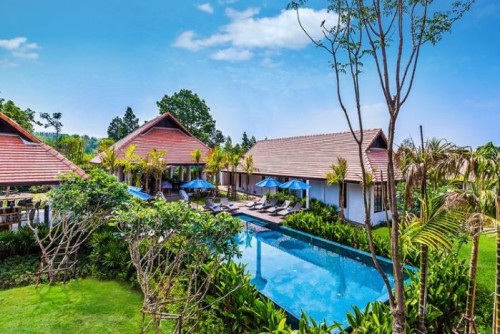
The facilities page explicitly states that each client has a private villa. It lists a queen-size bed, refrigerator, seating, a desk, television with Netflix, air conditioning, housekeeping, and laundry-related services. Shared campus amenities include pools, a fitness center, yoga spaces, a meditation pavilion, a restaurant, a juice bar, and a sports court. These details support the private-accommodation description; they do not establish that every activity or additional service is included in the base quote.
The program also describes outings in the Chiang Mai area and options such as cycling, swimming, Thai boxing, and cultural visits. The level of participation should reflect health, preference, and the stage of treatment. A villa provides personal space between sessions, while meals and much of the program still involve a residential community. Someone choosing The Hills primarily for privacy should therefore clarify group size, shared areas, visitor arrangements, and the circumstances in which activities are accompanied or restricted.
Published price and admission conditions
The current homepage FAQ gives an approximate starting rate of US$12,900 for a twenty-eight-day program. It says the quote varies with care level, duration, and the complexity of clinical or psychiatric support. The stated price reflects staffing, accommodation, food, excursions, and aftercare, but the exact inclusions require an individual quotation. This is a provider-advertised starting amount for twenty-eight days, not a weekly rate or a guarantee that every applicant will be charged the same total.
The admissions page says a twenty-five percent deposit secures admission, with the balance due before arrival. It describes assistance with travel, visa information, and airport collection. Its admission notice also states that staff search bags and retain money, wallets, and passports until treatment is complete. Prospective clients should clarify the consent, storage, access, and return arrangements, including what happens if they leave early. Those published conditions should be understood alongside the cancellation and refund terms before a deposit is paid.
Continuing care after returning home
The continuing-care page describes support beyond residential treatment, but much of its discussion explains aftercare in general rather than defining a fixed included package. It refers to possibilities such as individual counseling, groups, peer support, and coordination around daily-life needs. The review did not establish a universal number of included months or appointments. Before discharge, obtain the actual follow-up schedule, responsible clinician, fees, time-zone arrangements, and plan for medication or local psychiatric care.
The Hills offers several concrete points for comparison: a twenty-person maximum cohort, individually occupied villas, a named multidisciplinary team, different clinical pathways, and independently listed AACI accreditation. The remaining decision depends on the proposed treatment agreement. Its clinical content, staffing arrangements, age eligibility, payment conditions, and follow-up should be sufficiently clear that a person can understand what the twenty-eight-day starting price buys and what may require a different duration, service, or charge.
Primary provider material and the AACI certificate checked October 20, 2026. The youth age discrepancy and approximate starting price are reported as published; current admission terms require written confirmation.
Conditions
Levels of care
Settings
Amenities
Treatment approach
Assigned therapist, individual and group work, CBT, DBT-related skills, process groups, EMDR and other trauma-related approaches where indicated, recovery groups, family participation, fitness and complementary activities
Fees & admissions
USD 12,900 / program
Official homepage FAQ gives approximately US$12,900 for a twenty-eight-day program. This is a provider starting quote, not a weekly or fixed universal price; clinical complexity, duration and inclusions require a written individualized quotation.
Confirm the current program, duration, accommodation and included services directly with the center.
Assessment before a 25% deposit and balance before arrival. Youth webpage says 18+ but linked October 2026 brochure says 16+; minor eligibility requires explicit confirmation. Published admission notice includes bag searches and passport/money retention; clarify access, consent, early departure and return terms.