Care at Valley Recovery Center — Agua Dulce
A six-bed men’s program in Agua Dulce
Valley Recovery Center’s Agua Dulce location is a small residential addiction program in the high-desert area north of Los Angeles. The organization’s current program overview identifies two six-bed homes, one in Newhall and one in Agua Dulce, treating men age 18 and older. This profile concerns Agua Dulce. The two residences share a clinical model, but they are separate homes with different surroundings. Someone comparing them should confirm the actual placement before making travel arrangements, particularly if the quieter setting and private accommodation at Agua Dulce are important reasons for choosing the program.
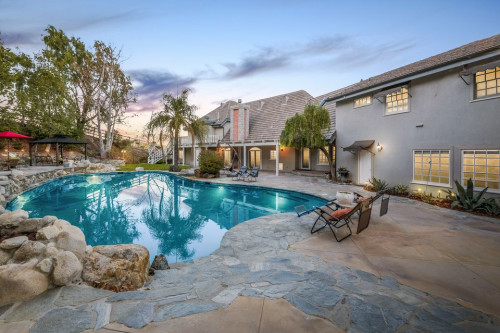
The Agua Dulce page describes a secluded residence with private accommodation, chef-prepared meals, outdoor space, walking paths, and views across the surrounding landscape. Its location offers separation from the usual pressures of Los Angeles while remaining connected to the Santa Clarita and Antelope Valley areas. That is a practical setting choice, rather than a guarantee that distance alone will change a person’s relationship with alcohol or drugs. The program combines the residence with scheduled therapy, case management, and a plan for returning to ordinary responsibilities after treatment.
Who the program serves
Valley treats alcohol and other substance use, including opioids, benzodiazepines, cocaine, and methamphetamine. Its published model also addresses depression, anxiety, trauma, and other co-occurring concerns within the same plan. The admission guidelines specify adult men and an assessment of physical and medical ability to participate. The location page gives a less specific answer about adult admissions, so anyone whose eligibility depends on gender policy should ask the team directly. The more detailed program and admissions pages are the basis for describing Agua Dulce as a men’s service here.
The organization specifically discusses men balancing employment, family roles, and other responsibilities. Its case managers can help with leave paperwork and authorized communication with an employer or union. Those services may make treatment planning more manageable for someone who cannot simply disappear from work, but they do not establish eligibility for leave, benefits, or job protection in an individual case. Before arrival, the person can identify the documents needed, who is permitted to receive them, and the dates by which they must be supplied. This keeps administrative support connected to the resident’s own choices and circumstances.
Detox with a direct transition into residential care
The provider’s detox description is specific about its staffing model: clinically managed withdrawal care, supervision around the clock, and medical support available on call twenty-four hours a day. Its program overview also says there are at least two staff members on shift in each home. These statements describe the published arrangement; they should not be converted into a promise that a physician is physically present at the residence at every hour. An assessment should establish whether that model is suitable for the person’s withdrawal history, current medications, and medical or psychiatric needs.
When detox is indicated and the person is accepted for it, Valley describes a transition into residential treatment within the same house and care team. That continuity can reduce the number of separate admissions and travel arrangements a family needs to organize. The provider describes many acute detox episodes as approximately five to seven days, while emphasizing that the timeline varies and some situations require longer management. That is an outline of its service rather than an individual withdrawal schedule. Someone who needs hospital-level monitoring or treatment should have the appropriate setting determined before a residential bed is booked.
Medication is part of the program where clinically appropriate, including medication-assisted treatment when it fits the assessment. The relevant admission discussion is whether the team can continue an existing prescription, who will review it, and how any change would be coordinated. A referral describing only the substance used leaves important information out; prior withdrawal complications, other health conditions, current psychiatric treatment, and recent hospital care can all affect planning. Valley says the plan begins with a medical history and examination, and it asks people who have had a recent physical to bring a copy for the clinical record.
Clinical methods and the daily program
Valley’s published clinical menu includes cognitive behavioral therapy, individual sessions, relapse-prevention work, anger management, and care for co-occurring depression, anxiety, and PTSD. CBT provides a structured way to look at how a person interprets situations and responds to them. Within the residential program, that work can connect to specific concerns the resident brings, such as conflict at home, patterns around work stress, or difficulty recognizing the situations associated with use. The useful measure of an individualized plan is whether those concerns appear in the treatment goals and session work, rather than simply whether a familiar therapy abbreviation appears on the website.
The organization also lists EMDR groups and Accelerated Resolution Therapy among its trauma-related approaches. These are services to discuss with the clinician who assesses the resident, including how they are delivered, whether they are appropriate during the proposed stay, and what preparation is needed. The listing does not mean every resident receives every modality. A person may begin with stabilization, coping skills, and a reliable daily routine before undertaking more demanding work. The plan should explain the role of trauma treatment alongside substance-use care and how unresolved needs will be carried into the next stage.
Art, music, yoga, and experiential activities sit alongside the more formal clinical work. The provider describes morning check-ins, individual and group sessions, psychoeducation, meals, and evening recovery meetings. Twelve-step integration is explicit, and the program overview says meetings take place nightly. Someone who has used a different recovery framework can discuss how that experience will fit with the program’s expectations. Agua Dulce’s outdoor space is part of the setting, but the published description does not turn every free period into an excursion or guarantee access to a particular activity regardless of medical suitability or the current schedule.
Private rooms and house expectations
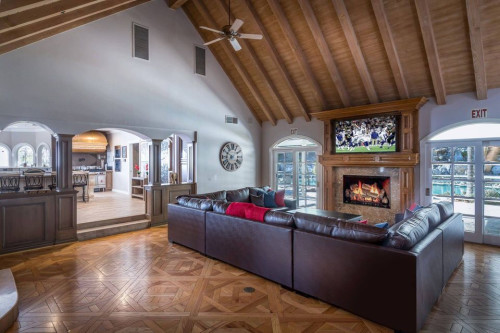
The current program overview describes private bedrooms across the two six-bed homes, and the Agua Dulce page confirms private accommodation. This is a more specific claim than simply calling a residence luxurious. Bathroom arrangements, accessibility, and the particular room available should still be confirmed directly. A secondary directory describes en-suite bathrooms and additional amenities, but a prospective resident should obtain the current room details from Valley rather than assume every feature applies to an assigned bed. The provider’s program materials also mention shared spaces, chef-prepared food, pool and gym time, and weekly outings across the homes.
Device use at Agua Dulce follows the treatment plan. The campus page describes an early emphasis on disconnecting from outside pressures, with supervised access later when it supports work or family responsibilities. This is not an unrestricted remote-working arrangement. For a professional who needs a particular call or document, the practical step is to explain that requirement before admission and agree on the conditions under which it can be managed. The same discussion can establish how essential family messages reach the resident, where devices are kept, and whether an anticipated commitment would interfere with the treatment schedule.
Family work and preparing for admission
Valley’s family information describes counseling as part of the program and offers support to relatives considering how to approach a treatment conversation. It also discusses help with insurance verification, admission preparations, and leave-related paperwork. Family therapy has a different purpose from a general visit or an administrative update: it is an opportunity to work on communication, support, and the patterns affecting life together. The actual participants, timing, and frequency should follow the resident’s permissions and the clinician’s plan. A family should confirm those arrangements rather than read geographic proximity as a promise of unrestricted visiting.
The admissions team reviews suitability and availability before an arrival is agreed. Valley says a medical examination takes place on admission and publishes a packing list that includes identification, insurance information, current medications in original containers, and contact details. It also expects residents to be able to take part in the program’s activities. Someone with mobility limitations, sleep-related equipment, a special diet, or other daily support needs should explain them during screening. That allows the residence to assess the request and prevents a private-room description from being mistaken for confirmation that every accommodation need can be met.
Length of stay, fees, and the next step
The current official program describes a typical residential stay of around thirty days, adjusted on clinical recommendation. Separately, Recovery.com’s Agua Dulce listing showed an estimated USD 30,000 for forty-five days when checked on October 20, 2026. That is a third-party estimate for the stated period, not Valley’s published tariff for its current thirty-day model. It should not be divided into a daily fee or relabeled as a monthly quotation. The provider offers insurance verification, including for many PPO plans. A current written estimate should identify the proposed duration, detox if needed, room, clinical services, and any charges outside the residential package.
Valley’s aftercare page says discharge planning starts while the resident is still in treatment. It describes arranging therapy, psychiatry, meetings, and outpatient care near the person’s home, with referrals based on fit rather than a requirement to attend one named program. Inneractions IOP in Encino is presented as one option, and follow-up calls and alumni contact are also described. The receiving service and its funding are separate matters to confirm. For people comparing residential treatment in the United States, Agua Dulce’s small men’s setting, private bedrooms, structured device access, and same-house detox transition are useful details to weigh against the proposed clinical plan. The location page’s admissions number is +1 866-454-1708.
Reviewed October 20, 2026. Current program, admissions, detox, family, campus, and aftercare details are sourced to the linked official Valley Recovery Center pages. The forty-five-day cash amount is a dated third-party estimate, distinct from the current official description of typical duration.
Conditions
Levels of care
Settings
Amenities
Treatment approach
CBT, individual/group and family work, relapse prevention, anger management, EMDR groups and Accelerated Resolution Therapy when indicated, medication-assisted treatment when appropriate, art/music/yoga, nightly twelve-step meetings, case management and local continuing-care referrals
Fees & admissions
USD 30,000 / program
Recovery.com exact Agua Dulce listing estimated USD 30,000 for 45 days, checked October 20, 2026. This third-party episode differs from the current official typical 30-day residential model; it is not a provider tariff or a monthly rate. No daily/monthly division retained. Request a current written quote covering detox, room, clinical services, medications and continuing care.
Confirm the current program, duration, accommodation and included services directly with the center.
Ask whether detox is indicated, how the 45-day program is sequenced, what the quoted package includes and what step-down or local follow-up is arranged.