Care at Silver State Adolescent Treatment Center — Robindale
Silver State’s current adolescent program at Robindale
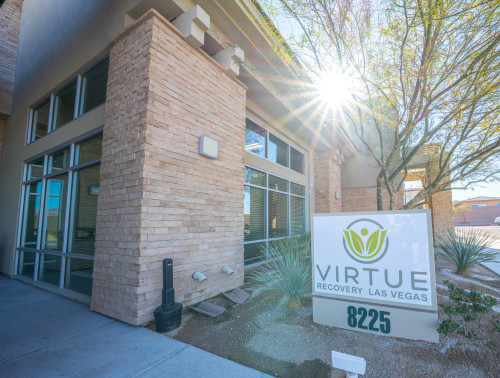
The Robindale address formerly listed here for Virtue Recovery now advertises Silver State Adolescent Treatment Center, a residential primary mental health program for young people ages 11 to 17. The current facility is at 8225 West Robindale Road in Las Vegas, Nevada. Virtue’s own campus information identifies Silver State as its sister company, and Silver State’s official website confirms the same address and age range. This profile describes that current adolescent service; the previous adult Virtue description and price do not define the present program.
Silver State combines residential mental health care with individual and group therapy, psychiatric support, family participation, and on-site education. The program is designed around adolescents’ developmental and school needs. An adult, including someone who has already turned 18, requires a different placement. The current direct admissions number published by Silver State is 725-239-7557. Families should identify the Robindale location when discussing an admission so that the age range, clinical service, and proposed accommodation are clear.
Primary mental health and the role of co-occurring care
The provider names anxiety, depression, trauma-related concerns, mood difficulties, emotional dysregulation, self-harm, and suicidal ideation among the needs it assesses. Its published scope also includes eating disorders, school refusal, and other behavioral and emotional concerns. These descriptions are a starting point for assessment rather than automatic admission criteria. Current symptoms, medical stability, safety needs, previous treatment, and the family’s circumstances affect whether this residential setting is appropriate and what further information the team needs before accepting an admission.
Primary mental health treatment is central to the campus’s current identity. Substance use is addressed when it accompanies the adolescent’s mental health needs. Silver State’s dedicated substance-use page expressly says that it does not provide on-site detoxification or withdrawal management. When a young person needs that higher-acuity service first, the provider describes referring the family to an appropriate detox setting. The earlier adult Virtue detox description should therefore not be used to plan a teen’s arrival at Robindale.
The substance-use component describes screening for co-occurring concerns, individual and group therapy, education about substances, and relapse-prevention planning. These services should be connected to the adolescent’s particular mental health presentation. For example, the assessment may need to understand how substance use developed alongside changes in mood, trauma symptoms, school attendance, or relationships. The published program does not establish that every adolescent using a substance needs residential care. The receiving team determines the appropriate service and whether preliminary medical treatment is required.
Assessment and an individualized residential plan
Silver State describes clinical assessment at intake followed by a treatment plan tailored to the young person. Previous psychiatric and medical information, current medications, school records, and the family’s account can help clarify the situation. The adolescent’s own account also matters, particularly when their understanding differs from what adults have observed. A useful plan identifies the immediate concerns, the work proposed during residential care, and how the team will review progress with the teen and participating family members.
The provider’s current orientation gives approximately 45 to 90 days as a typical length of stay, with duration determined clinically. That range replaces the old adult listing’s 30-to-90-day pricing context. It should not be read as a mandatory minimum or a promise about an individual discharge date. Treatment needs, progress, the next level of support, and coverage arrangements affect the actual plan. The family should receive an explanation of reviews and any proposed extension while care is underway.
Therapy methods and psychiatric support
Silver State identifies cognitive behavioral therapy, dialectical behavior therapy, and trauma-focused approaches as core parts of its clinical model. Individual sessions allow the teen to work privately with an assigned therapist, while groups provide a setting for learning and practicing skills with peers. The clinical plan should explain which methods are being used and why. A list of therapies does not establish the same frequency, intensity, or sequence for every adolescent, particularly when presentations and readiness differ.
Cognitive behavioral work offers a framework for examining patterns of thought and behavior in situations the young person recognizes. DBT-related skills can be directed toward emotional regulation, coping with distress, and communication. Silver State’s sample day also includes mindfulness and group processing. Those elements connect formal sessions with opportunities to practice skills in a supervised community. The important detail is how the therapist relates the work to the teen’s priorities and experiences, rather than asking the family to choose a modality from a menu.
The provider describes trauma-informed practice throughout the program and offers expressive activities such as art and music therapy. These activities provide different ways to participate and communicate alongside more verbal approaches. Their clinical role and timing should be explained within the individual plan. A trauma history does not mean that intensive trauma processing begins immediately. The team should describe the preparation, support, and choice involved in any proposed work and how it fits the adolescent’s current stability.
The facility publishes round-the-clock nursing and clinical support, with psychiatric care included in its residential model. Medication history and current prescribing need review before admission, including previous responses and any concerns the teen or parent has raised. The family should understand who manages prescriptions during the stay and how updates are communicated. The same practical question continues after discharge: the next responsible prescriber and appointment should be identified so that a move home does not leave medication care uncertain.
Family participation throughout treatment
Silver State makes family therapy a central component of treatment and describes involving parents or guardians from the beginning. Its published family work includes therapy sessions, education, communication with the team, and planning for life after residential care. The purpose is to connect the teen’s treatment with the relationships and routines they will return to. Participation should address the actual family situation, including who provides day-to-day care, who can attend sessions, and what communication difficulties need attention.
The sample residential schedule includes family telephone contact or scheduled family therapy after dinner. Actual timing varies, so families traveling from outside Las Vegas need to establish which meetings occur remotely and which require attendance. A clear communication plan can distinguish routine updates, therapeutic sessions, and practical questions about school or discharge. The adolescent should also understand how their participation and privacy are handled. Family involvement is most useful when everyone knows the purpose of the contact and the next agreed steps.
Education through Silver State Youth Academy
On-site schooling is a distinct part of this campus’s offer. Silver State Youth Academy is described by the provider as an accredited academic program with certified teachers, small classes, and personalized instruction during treatment. This allows education to remain part of the weekly routine rather than being postponed until discharge. The provider states that it works to maintain grade-level progress and transfer credits, but a family should confirm the actual arrangements with both the academy and the student’s home school.
School planning needs to account for the young person’s current courses, academic difficulties, attendance history, and any existing supports. The relevant questions include which subjects can continue, how completed work is documented, and who coordinates the return to school. An on-site classroom does not by itself establish that every course or individual accommodation is available. The education and clinical teams should explain how academic work fits the adolescent’s treatment schedule and how expectations are adapted when symptoms affect participation.
Rooms, recreation, and daily life
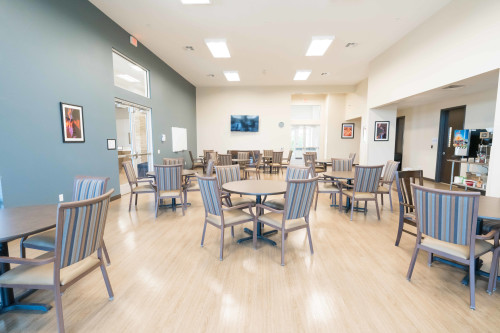
The facility includes therapy offices, classrooms, dining areas, common spaces, and outdoor recreation, with pickleball and basketball among the listed activities. The official page gives conflicting information about bedrooms: its descriptive text calls them private and apartment-style, while the same page labels photographs as a shared bedroom with two beds and a room with twin beds. A private bedroom is therefore not confirmed. Families should obtain the actual room occupancy, bathroom arrangement, and accessibility in writing for the proposed admission. The room assignment should also address the adolescent’s clinical needs and how privacy is managed within the supervised residential community.
Silver State’s sample day balances personal routines, meals, mindfulness, school, individual therapy, peer groups, recreation, and an evening check-in. Chef-prepared meals are part of its published residential arrangements. Recreational options include sports, yoga, and scheduled adventure-based activities, with the program noting that activities vary according to treatment needs. This schedule provides a practical picture of residential life. It should be treated as an orientation rather than a guarantee that a specific activity or outing occurs during every stay.
The provider explicitly describes an LGBTQIA+ affirming environment and care adapted to adolescents. For a family assessing fit, the practical discussion concerns how the team supports the teen’s identity, relationships, communication, and comfort within the community. Room arrangements, group participation, family work, and staff response to concerns all contribute to that experience. The published commitment is useful information, while the admission conversation should establish the details relevant to the individual young person.
Continuing care and the current financial picture
Discharge planning at Silver State includes outpatient referrals, possible step-down programming, family support, and community resources. The plan should connect the residential work with named appointments, a realistic school return, and the support available at home. A young person may need ongoing therapy, prescribing, or a structured daytime service after leaving the campus. The family should know who is arranging each component and what to do if an appointment or other part of the plan changes.
No current provider-published cash-pay tariff was established in the inspected Silver State material. The former Virtue listing’s $30,000 estimate referred to an adult program description and should not be reused as a fee for this adolescent campus. Silver State offers benefits verification and identifies several insurance carriers, but coverage depends on the particular plan and recommended care. Families need a written explanation of the expected stay, included clinical and educational services, accommodation, authorization requirements, and remaining financial responsibility.
Compare the current program with other treatment centers in the United States and the options in the Nevada treatment guide. Silver State Robindale’s defining features are its 11-to-17 age range, primary mental health focus, integrated education, family therapy, and adolescent residential environment. Those features, together with the explicit absence of on-site detox, should guide a comparison based on the young person’s assessed needs.
Sources reviewed October 20, 2026: Virtue’s current Robindale description, Silver State’s official program, facility information, and co-occurring substance-use scope. Education, staffing, accommodation, and program details are provider-reported; no outcome or individual coverage is guaranteed.
Conditions
Levels of care
Treatment approach
Individual and group therapy, CBT, DBT, trauma-informed approaches, psychiatric support, family therapy, expressive activities, on-site education and aftercare planning
Fees & admissions
Confirm current pricing
Confirm current Silver State adolescent program pricing and individual insurance coverage. The old Virtue adult-program USD 30,000 estimate does not establish a fee for this current adolescent campus and has been cleared.
Confirm the current program, duration, accommodation and included services directly with the center.
Confirm the Robindale campus, exact length tied to the quoted total, whether the 30-day option is available, room type, detox charges and aftercare.