
Care at White Oak Recovery Center — Chatsworth
Residential treatment at White Oak Recovery Center
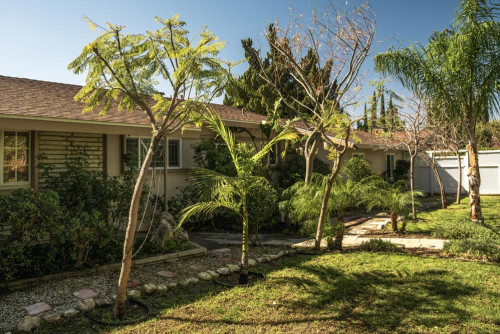
White Oak Recovery Center provides residential addiction treatment in Chatsworth, in the Los Angeles area. Its official information describes a private, home-like property with six bedrooms and five bathrooms, offering both private and shared room options. The program combines residential care with treatment for substance use and co-occurring mental health concerns. The bedroom count describes the property; it should not be treated as a verified number of residents or a guarantee that every person will have a private room.
The provider, which also uses the abbreviation WORC, presents its residential program as a structured setting where people live while participating in clinical treatment and a recovery-focused community. The decision to enter care should begin with the person’s current needs and an assessment of the appropriate level of support. The setting’s size and appearance are useful practical details, but they do not establish whether the program can manage a particular medical or psychiatric situation.
Substance use and co-occurring care
White Oak’s published services include residential treatment, medical detoxification, dual diagnosis care, and medication-assisted treatment. Its residential information describes individualized plans for addiction and co-occurring conditions. Someone considering the program should establish which of those services are recommended for them and how they fit together. A person entering for detoxification has different immediate needs from someone who has already completed that phase and is ready for continuing residential work.
The term dual diagnosis indicates that mental health and substance use needs are considered together, but it does not identify every condition or level of acuity that the residence can accept. The intake assessment should explain how psychiatric symptoms, existing medications, previous treatment, and current functioning will be addressed. Someone whose main concern is a mental health condition without active substance use should discuss that explicitly, rather than assume that the addiction program automatically provides the appropriate primary mental health service.
An accurate history helps make the assessment more useful. Recent substance use, prescribed medications, medical conditions, earlier withdrawal experiences, and current clinical contacts should all be discussed with the receiving team. The aim is a clear placement decision and an initial plan that identifies the required services. If another medical setting or an additional assessment is needed first, those arrangements should be established before the person travels to the residence.
Medical support and the residential sequence
The provider describes medical detoxification with professional monitoring and medication when clinically appropriate. Its published explanation emphasizes an individualized approach based on the person’s health and substance use history. The applicant should establish the actual medical and nursing arrangements for the proposed admission, including the support available overnight and the criteria for transfer if needs change. The presence of a detox service should lead to that specific clinical discussion rather than a general assumption about all forms of withdrawal management.
When detoxification is recommended, the plan should also identify the next stage of treatment. Stabilization and continuing residential care have related but different purposes. The later phase provides time for therapy, skills work, and preparation for life after the stay. White Oak’s residential model is intended to support that ongoing work, so the admission proposal should explain whether the person will remain at the same property and how the transition between services is organized.
Medication-assisted treatment is also listed among White Oak’s services. Any decision about medication belongs within an individual clinical assessment and should be explained by the treating professional. The program should clarify who prescribes, how existing medications are reviewed, and how questions about effects or side effects are addressed. Continuity after discharge is equally important: the next prescriber or service should be identified before the residential stay ends.
Therapy methods and their role in the plan
The official therapy overview identifies cognitive behavioral therapy, EMDR, family therapy, 12-Step facilitation, and recreational approaches. The residential page also describes individual and group counseling. These components give a useful outline of the provider’s model, but the actual treatment plan should explain how they are selected for the resident. It should distinguish core clinical sessions from supportive activities and identify the concerns each part of the schedule is intended to address.
White Oak describes cognitive behavioral therapy as a central element of its approach. For a prospective resident, the practical discussion concerns the patterns and situations they want to examine in treatment. The clinician should be able to connect the work with the person’s goals and describe opportunities to practice new responses. Knowing that CBT is offered is useful; understanding how it will be used in the person’s own plan is more informative than the name of the method alone.
EMDR is listed for work related to trauma and distressing experiences. Its use should be guided by the clinician’s assessment and the timing of the broader treatment plan. A person with a trauma history should understand any preparation involved, the purpose of the proposed sessions, and how the work will be coordinated with addiction treatment. The published availability of a trauma method does not establish that everyone receives it or that all trauma-related concerns can be resolved within a particular stay.
The provider also includes 12-Step facilitation, which is distinct from simply giving someone a list of meetings. The applicant should understand how this component appears in the schedule and how it relates to the clinical sessions and other support. Preferences about recovery communities can be discussed during assessment. The relevant issue is the program’s actual approach to participation and continuing connection, rather than an assumption that every resident has the same experience with peer-based recovery groups.
Individual work, family sessions, and community life
Individual counseling creates space for personal history, goals, and material that may not be appropriate for a group. Group work provides a different setting for learning, discussion, and interaction with peers. In a residential program, the community can also bring everyday communication and boundary issues into view. The schedule should make clear how those experiences are supported by clinical staff and how the resident can raise concerns that need private attention.
White Oak’s therapy information describes family participation intended to improve communication and relationships. The role of family work should be agreed with the resident and shaped by the relationships involved. Some people may want a partner or relative closely involved in discharge planning; others may need more limited participation. The program should explain consent, the purpose of meetings, and the practical arrangements for relatives who live outside the area.
Recreational activities are included as a supporting part of the treatment experience. They may provide opportunities for movement, social interaction, or developing interests outside substance use. The specific activities and their availability should be confirmed for the proposed stay. Their role should remain clear alongside therapy and medical care. Comfortable surroundings and recreation can be relevant to daily life without being used as a substitute for information about the clinical program.
Accommodation and daily practicalities
The official residential page describes private and shared rooms with televisions, an exercise area, a small putting or mini-golf area, and chef-catered meals with dietary accommodations. Those are provider-reported features, and the assigned room should be confirmed before arrival. Someone comparing private accommodation should also establish bathroom arrangements and whether any room request affects the quote. A photograph or a general list of amenities does not guarantee the particular room available on an admission date.
The balance of shared and private space is an important part of living in a smaller residence. A private bedroom does not necessarily mean private therapy throughout the day, while a shared room does not explain the amount of individual clinical attention. Those are separate features of the proposed placement. The applicant should receive both a room description and an outline of the treatment schedule so that comfort, privacy, and clinical support can each be assessed clearly.
Practical preparation should include any mobility, dietary, sensory, or other access needs. The provider should explain what can be accommodated at the property and whether additional arrangements are required. It should also supply current information about devices, visitors, personal items, transport, and the ordinary routines of the house. These details help someone plan for time away from work or caregiving responsibilities without assuming that a residential schedule can accommodate everyday obligations unchanged.
Preparing for care after the residence
White Oak’s residential information emphasizes continuing care after the overnight treatment phase. The next step should depend on assessment and the person’s circumstances rather than a standard destination for every resident. The plan may involve outpatient appointments, medication follow-up, suitable housing, and community support. The provider should identify what it arranges directly and what will be delivered by another clinician or organization.
A clear discharge plan includes the details needed to use those services: where appointments take place, which are booked, how transport works, and who is responsible for prescribing. A person returning to another state will need a plan suited to that community. Someone remaining in Los Angeles may have different options and travel considerations. The transition should be practical for the place the person will actually live, rather than rely only on resources near the residence.
Family and peer support can contribute to that plan when appropriate, but they have different roles from professional treatment. The resident should understand how the proposed supports fit together and whom to contact when a concern needs clinical attention. The goal of planning is to make the next stage understandable and usable. It should connect the work completed in the residence with the routines, responsibilities, and support available afterward.
Price evidence and comparison
The directory’s September 17, 2026 price record cites a Recovery.com estimated daily rate of $1,000. Multiplying that figure by 30 gives $30,000 as an arithmetic comparison. This is a dated third-party estimate rather than an official current monthly package. It does not establish whether a particular quote includes detoxification, every residential service, medications, or later care. The provider should give a written explanation linked to the proposed admission and room arrangement.
For an insurance-supported stay, the specific benefits and authorization should be confirmed along with the patient’s expected responsibility. For self-pay treatment, the proposal should identify the rate period, inclusions, and any separate charges or extension terms. A daily estimate is useful only when its limits are clear. Comparing defined services prevents a figure for one stage of care from being mistaken for the total cost of the entire treatment sequence.
Compare White Oak with other treatment centers in the United States and the programs in the California residential treatment guide. Its distinguishing considerations are the smaller Chatsworth residence, private and shared room options, medical support, and the combination of clinical therapy and recovery-community work. A decision should be grounded in the individual’s assessment, the actual residential arrangements, and a clearly organized next stage of care.
Official sources reviewed October 20, 2026: White Oak Recovery Center website, residential treatment, and therapy overview. The Recovery.com profile is cited for the directory’s dated September 17, 2026 price estimate. Six bedrooms should not be read as an independently verified six-person capacity.
Conditions
Levels of care
Settings
Amenities
Treatment approach
Individual and group counseling, CBT, EMDR when appropriate, family therapy, 12-step facilitation, medication-assisted treatment, recreation and discharge planning
Fees & admissions
USD 1,000 / day
The directory recorded a Recovery.com estimate of USD 1,000/day on September 17, 2026. This dated third-party rate is not an official current monthly package. Confirm room, detox, residential services, medications and the written total.
Confirm the current program, duration, accommodation and included services directly with the center.
Ask whether detox is needed, which bedroom type is available, what the daily charge includes, medication arrangements, insurance terms and step-down options.