Care at Recovery Unplugged — Austin Congress Avenue
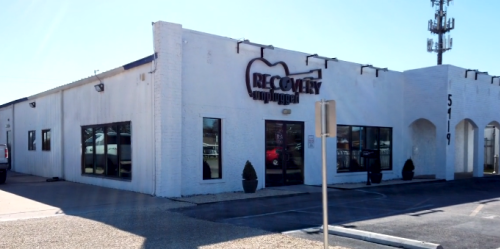
Recovery Unplugged’s South Congress Avenue location
Recovery Unplugged lists its South Congress Avenue location at 5419 South Congress Avenue, Austin, Texas 78745. It is one of several distinct addresses in the provider’s Austin network. The current exact-campus Recovery.com profile describes residential addiction care at this address, while the provider’s official Austin information explains the wider clinical model and continuum. The proposed admission should name South Congress Avenue and the assigned service. This avoids confusing the residence with the separate FM 969 location or the Austin detox address.
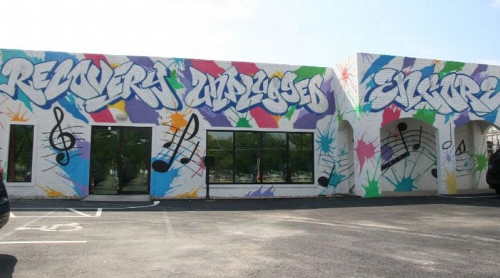
The provider combines conventional clinical treatment with music-assisted work. Music is presented as a way to engage with emotions, build connection, and participate in treatment, alongside individual counseling, group therapy, psychiatric support, and practical recovery skills. The approach is not limited to professional musicians. A person considering the South Congress program should understand how music is actually used within their proposed schedule and how it supports the clinical concerns identified during assessment.
Understanding the Austin addresses and treatment stages
The official contact information identifies separate Austin sites, including South Congress Avenue, FM 969, and a detox location on Albert Road. Those addresses should not be treated as interchangeable simply because they share the Recovery Unplugged name. Clinical appointments, sleeping accommodation, and medical services may be organized differently across the network. An admission plan should identify where the person arrives, where they sleep, which services are delivered there, and whether a transfer is expected between treatment stages.
The broader Austin continuum includes detox, residential treatment, a trauma-focused substance-use pathway, partial hospitalization, intensive outpatient care, and virtual intensive outpatient services. The appropriate entry point follows assessment, not a preference for a particular package or amenity. Some people require supervised withdrawal care first, while others can begin a residential or outpatient program. The receiving team should explain why the proposed level fits the person’s current needs and what would prompt a change later.
For someone who needs detox, the distinction between the clinical phases has practical importance. Recovery Unplugged describes medical monitoring and medication support during withdrawal, followed by further treatment when indicated. A South Congress residential booking should not be assumed to include detox at that same address. Before travel, the clinical team should review recent substance use, current prescriptions, medical concerns, and past withdrawal experiences. The paperwork should then specify the actual starting location and transfer arrangements.
Addiction and co-occurring mental health needs
The provider’s Austin service information names alcohol, opioids, fentanyl, heroin, benzodiazepines, cocaine, and other substances among its treatment areas. It also describes integrated care for co-occurring anxiety, depression, bipolar disorder, trauma, and post-traumatic stress. These descriptions should lead to an individualized clinical assessment rather than an assumption of admission for every listed condition. The person’s current symptoms, functioning, medical needs, and experience of earlier treatment determine whether a particular program and setting are suitable.
Integrated care means that the plan considers mental health and substance use together when both are present. The useful clinical discussion concerns how those difficulties developed, how they affect everyday life, and what has or has not helped previously. A resident should understand who provides psychiatric input, how individual therapy addresses their priorities, and how medication questions are handled. Someone seeking primary mental health treatment without a substance-use need should identify that clearly so the correct program can be considered.
Music-assisted work within a clinical program
Recovery Unplugged describes music as one element of its therapeutic environment and a route into work that can be difficult to approach through conversation alone. Its Austin information includes experiential methods involving music, art, role play, and other activities. The purpose should be connected to the resident’s treatment goals. Music-related activity may involve listening, discussion, creative expression, or shared participation; the actual format should be explained by the program rather than inferred from the presence of instruments or a music room.
The exact South Congress secondary profile describes music spaces, recreational areas, and a residential setting. The broader official Austin page lists a grand piano, a stocked music room, on-site concerts, and other musical activities across its programs. Those provider-wide details should not be read as a guarantee that every listed feature is located at 5419 South Congress Avenue. The admission discussion should establish which spaces and activities belong to the assigned campus and which require participation elsewhere in the network.
The music emphasis does not replace assessment, psychotherapy, or necessary medical treatment. Recovery Unplugged presents it alongside established clinical methods and support for everyday recovery. For someone unfamiliar with creative work, the useful question is how participation is adapted to their comfort, interests, and goals. A person who already plays or performs music may likewise need a distinction between recreational music-making and a scheduled therapeutic activity. The role of each should be clear within the weekly plan.
CBT, DBT, and motivational interviewing
The official Austin treatment description identifies cognitive behavioral therapy, dialectical behavior therapy, and motivational interviewing. Cognitive behavioral work examines patterns of thought and behavior, while DBT-related skills address emotions, distress, mindfulness, and interpersonal situations. These methods can help structure the concerns a resident brings into individual and group sessions. The clinical plan should identify the skills being practiced and how the team will review their usefulness. A published modality list is less informative than that connection to the person’s actual experience.
Motivational interviewing provides a collaborative framework for discussing ambivalence and the person’s own reasons for change. This can be relevant when someone enters treatment with mixed feelings or after encouragement from others. The resident’s goals should remain part of the conversation rather than being replaced by a generic account of recovery. The provider also describes experiential work that can complement discussion by bringing situations, emotions, and interaction into the session in a different form.
Individual counseling and group therapy serve different purposes within the residential program. Private appointments allow attention to personal history and concerns that require individual discussion. Groups create opportunities for learning and interaction with peers. The exact-campus profile also identifies addiction education, coping work, relapse prevention, family involvement, and 12-step participation. The program should explain the balance of these components, including which activities are core to the clinical plan and which offer optional or supplementary recovery support.
Residential life at the assigned campus
The South Congress profile describes overnight accommodation, an outdoor lounge, recreation, and meals prepared with attention to dietary needs. The actual bedroom, bathroom arrangement, and accessibility should be confirmed directly. A photograph of an Austin property or a provider-wide amenities list does not establish a private room for every resident at this address. Someone comparing comfort and privacy needs a specific room description alongside the clinical timetable, since accommodation and individual treatment contact are separate parts of the placement.
The wider Austin program describes a routine that includes treatment, music-related activities, meals, and time for recreation. Its published housing arrangements for partial hospitalization and intensive outpatient participants are separate from residential treatment and include named men’s and women’s houses. Those settings involve a different level of independence and should not be folded into the South Congress residential description. The proposed plan should show where the person will live at each stage and how travel to treatment is organized.
Family participation can connect the residential work with the relationships and circumstances outside the program. The exact-campus information identifies family work, while the provider offers broader family resources and continuing support. Participation should reflect the resident’s preferences and the needs of the treatment plan. Relatives should understand how sessions, updates, and practical communication are arranged, especially if they live away from Austin. A clear plan makes it easier to support the next stage without assuming constant access during treatment.
Length of stay and continuing care
The current South Congress secondary profile describes a residential program of 30 days or longer, but the actual duration requires an individual recommendation. The wider Austin program covers several levels whose time commitments differ. The admission proposal should identify the expected residential period, review points, and any likely transition. The length attached to a third-party fee is a pricing context, not a clinical rule. Work, family, and travel planning should allow for the assessed course and changes discussed with the treatment team.
Partial hospitalization and intensive outpatient care offer structured treatment after residential support when appropriate. Virtual services may be available for eligible people, but location and clinical suitability still need confirmation. The continuing-care plan should identify the next program, therapist or prescriber, appointments, housing, and support outside treatment hours. Someone returning to another part of Texas or another state needs arrangements that function in that community. Remaining connected to the provider’s alumni or family resources can complement, rather than replace, required clinical follow-up.
Current fee evidence and admissions
The exact South Congress Recovery.com profile inspected on October 20, 2026 displays an estimated cash-pay amount of $30,000 for 30 days. This is a third-party program estimate, not an official Recovery Unplugged tariff or an individual quotation. The amount should not be assumed to cover a separate detox stay, every form of accommodation, or later outpatient treatment. A written provider proposal should identify the actual campus, treatment level, duration, included services, and any additional charges.
Recovery Unplugged’s current official contact page publishes 855-384-5794 as its central admissions line. The team offers insurance verification and can explain available payment arrangements, but coverage depends on the policy, service, and authorization. The financial discussion should separate the anticipated patient responsibility from a general benefits check. It should also explain how a transfer, extension, or change in the recommended level of care affects the cost and the arrangements already made.
Compare this location with other treatment centers in the United States and the options in the Texas treatment guide. The directory also has a separate profile for Recovery Unplugged’s FM 969 location. For South Congress Avenue, the essential details are the exact placement, the role of music-assisted work, the clinical schedule, and a clearly defined route into continuing care.
Sources reviewed October 20, 2026: official Austin programs, official location and contact information, and exact South Congress profile and fee estimate. Broader Austin amenities are distinguished from confirmed address-specific details.
Conditions
Levels of care
Settings
Amenities
Treatment approach
Music-assisted and experiential work, individual and group therapy, CBT, DBT, motivational interviewing, psychiatric support, family work, recovery education and aftercare
Fees & admissions
USD 30,000 / program
The exact South Congress Recovery.com profile displayed an estimated USD 30,000 for 30 days on October 20, 2026. This is a third-party program estimate, not an official tariff. Confirm the actual residence, separate detox needs, clinical services and later care.
Confirm the current program, duration, accommodation and included services directly with the center.
Confirm this exact campus address, residential bed availability, detox sequencing, room type, current self-pay quote and step-down options.