
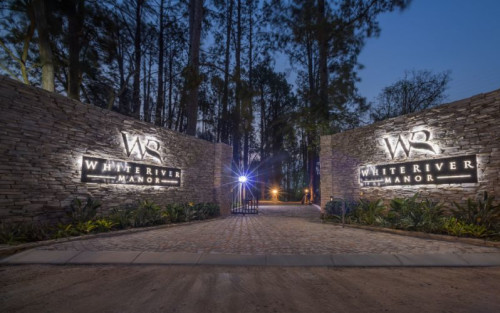

About White River Manor
White River Manor is a residential treatment provider in White River, in South Africa’s Mpumalanga province. Its dependency program addresses substance use and co-occurring mental health concerns through an individually planned combination of clinical work, group participation and residential support. The property offers private rooms, villas and larger suites in a countryside setting. It also markets wellness and burnout services, so an inquiry should identify the actual clinical program being considered rather than relying on the accommodation description.
The provider’s published material places particular emphasis on individual therapy, family connections and the transition home. This does not make the program entirely one-to-one: group sessions and shared activities are also described. For someone comparing options in the South Africa treatment directory, the relevant distinction is a private sleeping arrangement within a broader residential treatment community.
The dependency program and its intended focus
The official dependency-program page describes treatment for alcohol, drugs and behavioral concerns alongside mental health difficulties. Published stays typically range from 28 to 120 days, with the plan adjusted to the individual. The program includes psychiatric evaluation, medical input, individual and group therapy, relapse-prevention work and aftercare planning. The page also describes medical detoxification, although the proposed location, staffing and suitability should be confirmed for the specific admission.
A broad list of conditions does not tell a prospective client which issue the team would prioritize. If anxiety, trauma symptoms and substance use occur together, ask how the assessment will connect them and which clinician coordinates the overall plan. Someone seeking primarily wellness support should also establish whether the recommended program is a dependency treatment stay, a burnout program or another service, because the schedule and required clinical supervision may differ.
How treatment is selected and reviewed
White River Manor describes a multidisciplinary approach on its provider overview, with clinical work adapted to the person rather than determined by the room category. Its published methods include cognitive behavioral approaches, trauma-informed work and individual counseling. These sit alongside group participation, physical activity and wellness elements. The provider’s promotional descriptions should be read as descriptions of its model, not as a promise of a particular outcome.
The dependency page lists CBT, DBT, EMDR, solution-focused work, mindfulness and other approaches, with twelve-step participation available on request. A useful treatment discussion goes beyond naming methods: which are proposed, what goals they address, how often they occur and when the plan is reviewed. Request a sample clinical week and distinguish scheduled therapy from optional recreation. If a method was difficult during earlier treatment, explain that experience before agreeing to a new plan.
Admission, evaluation and early orientation
The official FAQ describes an initial confidential consultation and states that a psychiatric evaluation and referral are required. On arrival, the provider describes orientation and a private meeting with an assigned therapist. Ask admissions how the evaluation and referral are arranged, which records are useful, and whether further medical review must happen before travel.
Prepare a current medication list, relevant discharge summaries and a clear account of recent substance use or medical complications. These documents can make the discussion more specific than an inquiry based only on a diagnosis. Establish who reviews the information and how clinical acceptance is communicated. Before booking flights, also confirm the proposed start date, expected program length and what would happen if the assessment showed that another level of care was needed first.
Private rooms and the difference between accommodation categories
The accommodation page lists Private Standard rooms, Private Executive Villas and VIP, Manor, Royal and Presidential suites. The descriptions distinguish room layout and outdoor space rather than presenting six different clinical programs. Some categories include a lounge, courtyard, outdoor shower or private pool. Availability, accessibility and the exact room should be confirmed for the intended dates.
A larger suite may matter for comfort or practical requirements, but it does not establish greater therapy intensity. Ask whether the clinical schedule remains the same across categories and whether a companion can stay. For mobility needs, request specific information about steps, bathroom access, distances to appointments and transport around the property. Photographs help illustrate a room, while these practical details establish whether the proposed accommodation will work during the stay.
Reading the published prices carefully
The accommodation page presents room-dependent tariffs on a 28-day basis and states that they exclude 15% VAT. The separate international treatment guide advertises an all-inclusive starting figure of US$15,000 for 28 days. These statements should not be combined into an assumed current quote: the room category, applicable rate, currency, tax and inclusions need to be reconciled by admissions.
Request one written proposal that identifies the accommodation and program together. It should state whether VAT has already been added, which currency will be charged, whether the rate is for exactly 28 days, and how additional days are priced. Ask about medical consultations, medication, specialist services, optional excursions and any private transportation. Keeping the directory’s fee field as “confirm current pricing” is more reliable than selecting the lowest figure from pages with different pricing descriptions.
When comparing White River Manor with a provider quoting per week or calendar month, retain the original billing unit in your notes. Do not assume that “one month” means the same number of nights at both centers. If different family members are arranging treatment and payment, have them review the same proposal so that a room upgrade, tax amount or extension is not mistaken for a change in the clinical recommendation.
Family involvement without assuming access to private information
The family program information describes in-person meetings, video calls and remote sessions. The provider says clients can choose the extent of family participation and that reconnection is paced individually. A relative may begin the admission inquiry, but that does not mean every subsequent clinical conversation is automatically shared with that person.
Before the stay, discuss who the client wants involved, the purpose of sessions and whether support people will travel. Ask how appointments are scheduled across time zones and whether family education or separate support is included. For a relationship already under strain, clarify whether the immediate goal is understanding the treatment plan, addressing communication or preparing the home environment. Those are different tasks, and an agreed focus can prevent a family meeting from becoming an expectation to resolve every difficulty at once.
Meals, shared routines and connection with home
Published information describes chef-prepared meals, dietary accommodation and a day combining appointments with group work, reflection and activities. Tell admissions about allergies, dietary restrictions and any eating-related clinical needs before arrival; a preferred menu and a medically necessary nutrition plan are different considerations. Ask which needs the team can support and whether specialist input would be required.
Wi-Fi and arrangements for personal devices are described in the FAQ, alongside encouragement to limit work and screen time. This is not a promise that every business demand can fit around treatment. If essential responsibilities cannot be delegated, agree how contact will happen and which periods remain protected for appointments. Clarify whether the current communication plan differs from the designated phone times described on the international page.
Activities and the Mpumalanga setting
The activities page describes local nature outings, conservation visits, sports, spa services and more demanding excursions. Examples include trips around the Kruger area and scenic destinations such as Graskop. These are presented alongside the treatment experience; they should not be read as therapies with guaranteed effects or as activities every client must undertake.
Ask which activities are currently offered, what is included in the quoted package and how participation is matched to health, mobility and treatment priorities. A person who wants quiet outdoor time may have different requirements from someone interested in an adventure outing. Weather, transport, accompaniment and physical readiness can also affect a plan. Confirm alternatives so that a promotional activity list does not become an unrealistic expectation for the week of admission.
International arrival and planning a longer stay
White River Manor describes arrival support through Kruger Mpumalanga International Airport and assistance with onward travel from Johannesburg. Its international guide includes return transport between the center and the local airport in the advertised package. Ask which airport, transfer and accompaniment arrangements your proposal actually covers, particularly if arriving outside ordinary hours or with additional support needs.
The published 28-to-120-day program range makes travel documentation a practical issue to resolve early. Check current entry requirements with the relevant official authorities for the traveler’s nationality, purpose and intended duration, rather than relying solely on a provider’s general tourism guidance. Coordinate medication documentation, return travel flexibility and any extension decision with the clinical plan. A suggested treatment duration should not be shortened merely because an unresolved travel arrangement has become inconvenient.
Aftercare and other levels of support
The provider’s outpatient and continuing-care service is described as support both before and after residential treatment. It can connect people with therapeutic professionals and support former clients as they resume daily life. The service is distinct from assuming that every residential booking includes indefinite counseling or that every appointment can be delivered internationally.
Before discharge, ask for the named follow-up clinician, proposed appointment format, frequency, costs and local availability. Identify who will continue medication management and what information should be passed to professionals at home. If outpatient care may be enough at the outset, discuss that option during assessment. If residential treatment is recommended, establish how the final weeks prepare for a workable next stage rather than ending with only a general instruction to seek support.
Official provider sources reviewed October 20, 2026. Current room tariffs and the international starting-price description require an individualized written quotation; no currency conversion or guaranteed treatment outcome is asserted.
Destinations
Conditions
Levels of care
Settings
Amenities
Program approach
CBT, DBT, EMDR, solution-focused therapy, mindfulness, individual and group counseling; twelve-step participation available on request
Fees & admissions
Confirm current pricing
Confirm current pricing in a written quotation. The accommodation page lists room-dependent 28-day tariffs excluding 15% VAT, while the international page advertises an all-inclusive US$15,000 starting figure for 28 days. Those conflicting tax and inclusion statements are not combined into a verified package price. Confirm room category, currency, VAT, medical services, and extension charges.
Confirm the current program, duration, accommodation and included services directly with the center.
Ask which program and room category are proposed, and request an itemized quotation.