Researching care in South Africa
The South Africa directory includes treatment locations around Cape Town, Gauteng, and other parts of the country. It brings together programs with different settings and published clinical approaches. The first task is to establish what care the person needs, then investigate which provider can deliver it. A residential stay in South Africa may involve a substantial commitment of time, travel, and money, so the decision should be based on a clear clinical proposal and practical plan rather than a destination’s reputation.
This page is intended for both local readers and people considering treatment from abroad. Their questions overlap, but their routes into care and plans after discharge may differ. A South African resident may need coordination with an existing local clinician or medical scheme. An international patient may need a handover between countries, medication documentation, and arrangements for remote or local follow-up. Tell each admissions team which circumstances apply so that its proposal reflects the actual situation.
Compare the listed locations as separate services
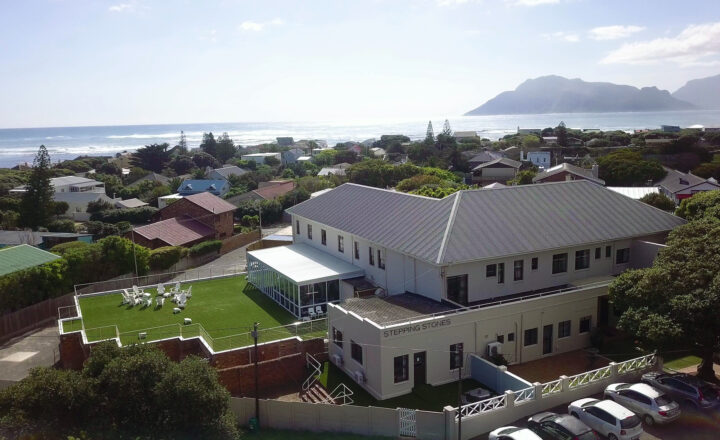
In the Cape Town area, the directory includes Harmony Clinic in Hout Bay and Netcare Akeso Stepping Stones in Kommetjie. Elsewhere, profiles include Crossroads Recovery Centre in Pretoria and Houghton House in Randburg. These names identify different locations and services to investigate; they should not be treated as interchangeable examples of one national treatment model.
The directory also includes White River Manor. Its profile links to the provider’s program and accommodation information. Read the exact service description before comparing it with a hospital or another residential setting. A provider may describe several treatment stages, room categories, or properties. Confirm where assessment, accommodation, medical care, and therapy will occur, and whether a proposed move between locations represents a new phase of care with different resources.
Write a clinical brief before comparing prices
Ask the person’s clinician to help identify the main needs and appropriate level of support. A brief can include the reason for seeking treatment, existing diagnoses, medication, previous care, relevant physical conditions, and the practical support available at home. Ask the receiving provider which records it needs and how they should be shared securely. Accurate information gives a clinical team a better basis for explaining suitability than a general request for a price.
If more than one concern is involved, be explicit. A program may focus on substance use, primary mental health care, trauma-related difficulties, or a combination. The addiction and co-occurring conditions pages help structure these questions. Ask which needs can be managed at the listed site and which require an external specialist. A provider should be able to explain its exclusions as clearly as its advertised services.
Check professional registration and clinical responsibility
The Health Professions Council of South Africa provides a practitioner register for professions under its authority. Ask for the names and roles of the professionals expected to assess and treat the person, and use the relevant official register to check their status. Not every staff role falls under the same body, so ask which registration applies. A facility’s brand, a clinician’s qualification, and the authorization for a particular service are separate details to verify.
Find out who holds overall clinical responsibility and how the team works together. Who can prescribe? Who delivers the main therapy? Who is on site overnight? If a doctor or psychiatrist visits rather than remaining on site, how is urgent advice obtained? Ask the service to distinguish medical, nursing, therapeutic, and support-worker availability. A promise of twenty-four-hour support becomes meaningful only when the provider explains the roles and the response to a change in the patient’s condition.
Clarify detoxification and hospital access
For someone who may need withdrawal management, ask where assessment and any required medical care take place. Do not assume that a residential program has a detox service or that a detox unit can address every medical risk. The provider should explain what it can manage, what it cannot, and who decides whether a hospital is needed. If a separate organization delivers the initial phase, obtain a written sequence and identify the coordinator for the transfer.
Ask about emergency transport, the receiving hospital, records, and payment arrangements without expecting a directory to judge clinical risk. The current clinician should advise whether travel is appropriate and what support is needed during the journey. Do not abruptly alter medication or substance use to match a booking date. If someone is acutely unwell, seek urgent local assessment rather than waiting for a destination program to arrange admission.
Understand the treatment model and weekly routine
Programs may describe individual therapy, groups, a therapeutic community, mutual-support approaches, family work, or complementary activities. Ask which elements are proposed for the person and how the team decides. A schedule should show the frequency of individual clinical appointments, the role of groups, medical reviews, rest, and optional activities. A provider’s range of services is not necessarily the schedule each patient receives.
Ask how the service handles differences in preference, faith, culture, or prior treatment experience. If a program uses a particular recovery philosophy, what does participation involve, and what alternatives are available when needed? How is progress discussed and the plan revised? A useful answer should describe the work the patient will do with qualified professionals, with room for assessment and adjustment. It should not rely on a guarantee that one approach succeeds for every person.
Compare setting without assuming a clinical benefit
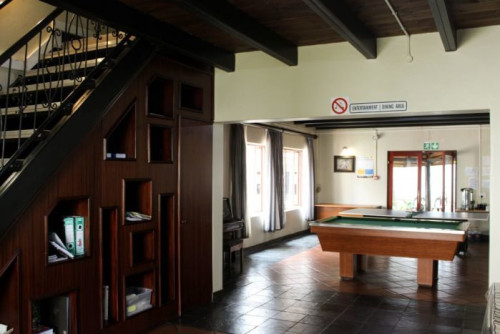
The directory includes coastal, residential, and more secluded settings. Ask how the actual property supports daily needs: access to rooms, treatment spaces, quiet areas, transport, and external appointments. Someone with mobility or sensory needs may require details that photographs do not show. Discuss the room, bathroom, shared facilities, and visiting arrangements before choosing an accommodation category. Our countryside and coastal pages provide more setting-specific questions.
Activities and excursions should be considered separately from core clinical care. Ask whether they are optional, supervised, clinically appropriate, and included in the fee. A person may prefer a quiet routine or be unable to take part in a physical activity. The provider should explain alternatives and how the schedule is adapted. A scenic environment can be a preference, but it does not verify treatment effectiveness, medical capacity, or suitability for a particular diagnosis.
Confirm language and family participation
Ask which languages are available for the actual clinical appointments, groups, consent documents, and discharge records. An English-language website does not establish that every external service or staff interaction will be in English. Someone may want to discuss complex emotions in their strongest language even if they are comfortable using another language in daily life. If professional interpretation is required, clarify availability, confidentiality, and cost before admission.
Discuss the patient’s preferences for family or support-person involvement. What sessions are offered, what can be done remotely, and which updates require consent? For international families, time zones and travel may affect participation. For local families, ask how visits fit the treatment schedule. Support should have a clear purpose and boundaries, so relatives understand what they can help with without being expected to take over medical or therapeutic responsibilities.
Request a transparent quote in the original currency
Ask for the actual proposed duration, room category, clinical services, and exclusions in writing. Check the currency rather than assume that every published figure uses South African rand. If a provider quotes in another currency, keep that original amount alongside any conversion used for budgeting. Confirm taxes and any separately billed professional services. A price comparison is meaningful only when the same necessary services and time period are being compared.
Ask about medical assessment, detoxification, psychiatry, medication, tests, additional sessions, airport transfers, and continuing care. Review the deposit, cancellation policy, extension rate, and early-departure terms. Our cost guide provides a comparison framework. A lower converted price may still exclude important care, while a higher-priced room may change accommodation rather than clinical intensity. Ask the provider to explain what each difference buys before deciding.
Check funding with the payer directly
If a medical scheme, insurer, employer, or other organization may fund care, contact that payer with the exact facility and proposed service. Ask about authorization, covered professionals, duration, and the person’s financial responsibility. Do not assume that a provider’s relationship with one scheme or insurer applies to another. Obtain the current conditions in writing where possible, particularly if part of the care occurs at an external hospital or clinic.
International patients should also distinguish health coverage from travel coverage. Planned treatment, an unrelated illness, a medical transfer, and trip cancellation can raise different questions. Ask the relevant insurer about the specific itinerary and service instead of relying on a general statement that insurance is accepted. The provider can explain its billing process, but the payer must confirm the applicable benefits and limits for the patient’s circumstances.
Organize arrival and the handover home
After clinical acceptance, confirm the address, arrival process, transport, required records, and medication arrangements. If the provider arranges airport collection, ask who is responsible and what happens if a flight is delayed. Travel should be planned around the person’s health, with advice from the sending and receiving clinicians where needed. Current entry and medicine requirements should be checked with official authorities rather than assumed from a provider’s general travel page.
The return plan should start before discharge. Ask who will prepare the clinical summary, how it is shared with consent, and which local clinicians will continue therapy and prescribing. If remote sessions with the South African team are offered, confirm whether they can provide the service where the patient will be located. Agree frequency, duration, cost, and the response to urgent concerns. A clear schedule and named responsibility make aftercare more dependable than an open-ended promise of support.
Use the shortlist to ask consistent questions
Compare a small number of providers with the same written questions. Record clinical scope, exact campus, professional registration, overnight resources, treatment schedule, accommodation, cost, and follow-up. Mark any information that remains unconfirmed and ask the clinical team to resolve it before a deposit or journey. If the service cannot meet an important need, discuss suitable alternatives with the person’s clinician rather than trying to make the need fit the booking.
Our admission questions can help organize that discussion. South Africa may offer a relevant option, while a local pathway elsewhere may be more practical for another person. The research should produce a clear explanation of why the proposed service fits, who is responsible for each stage, and how support continues afterward. A destination choice is useful when it sits within that complete plan.