
About Crossroads Recovery Centre — Pretoria
Crossroads Recovery Centre in Pretoria
Crossroads Recovery Centre’s Pretoria facility is at 607 View Street in Rietvalleirand, South Africa. The current campus page describes a two-hectare property accommodating up to 24 residents in a communal setting. Its program centers on addiction treatment, including individual counseling, therapeutic groups, a 12-step recovery framework, and planning for support after residential care. This profile concerns the Pretoria address. Crossroads also operates in Johannesburg, so a general network inquiry should be followed by confirmation of the specific campus, staff, and program being offered.
The Pretoria service lists alcohol, drug, prescription medication, and behavioral addiction treatment, along with support for co-occurring mental health concerns such as anxiety and depression. A confidential assessment is intended to determine the appropriate pathway, considering physical health, emotional needs, substance use history, and recovery goals. These broad treatment categories do not establish that the residence can manage every acute medical or psychiatric presentation. The admission decision should relate to the actual person and the level of support available, especially when withdrawal risks, medication, or other health conditions may complicate care.
The 12-step model and program stages
The published Crossroads program uses the 12 Steps as its central recovery framework, combined with professional counseling, group therapy, education, written assignments, and fellowship meetings. The intended connection is between work during treatment and the recovery communities a person can join afterward. That is a meaningful feature for someone who wants a structured introduction to Alcoholics Anonymous, Narcotics Anonymous, or a related fellowship. It should not be interpreted as a requirement that all ongoing professional treatment ends after residential care; medical and mental health follow-up still depend on individual needs.
Crossroads recommends a minimum residential stay of 28 days and describes 56- and 84-day stages. The first stage covers assessment, detox when required, individual and group work, the first three steps, and a personal life story. The 56-day description extends to steps four through eight and further work on behavior, emotions, and accountability. The 84-day program includes all twelve steps, more advanced therapeutic work, and transition planning. These are provider-defined stages, not a guarantee that every person progresses at the same pace or achieves the same outcome within a given period.
The provider recommends the full 84-day program when feasible. For a prospective resident, that recommendation should be considered alongside the assessment, personal circumstances, and funding available. Ask what the additional phase would address, how progress is reviewed, and when decisions about extending a shorter stay are made. It is more useful to understand the clinical and practical purpose of the extra time than to assume the longest option is automatically right for everyone. The proposal should distinguish the initial booking from any later extension and explain the associated cost.
What happens in the therapeutic groups
Crossroads gives unusually specific descriptions of its group formats. Process groups are facilitated by addiction counselors and invite residents to discuss experiences, respond to one another, and examine patterns affecting recovery. Planning-and-objectives groups focus on setting weekly goals, reviewing earlier commitments, and considering progress. The life-story assignment involves presenting a personal account to the group and receiving feedback. These activities make participation and shared reflection a substantial part of the program. A person who finds group disclosure difficult should discuss preparation, boundaries, and support with their counselor.
The program also includes separate gender groups for some topics and spiritual groups exploring meditation, values, spiritual principles, and a higher power. Crossroads says it welcomes people of any faith or no religious affiliation. Someone who is unsure about the spiritual element can ask how that openness works in practice and which activities are expected. The important point is the fit between the individual’s beliefs and the daily program. A welcoming statement is most useful when accompanied by a clear explanation of how personal preferences and cultural needs are respected.
Another published format is called an exposure group. In Crossroads’ description, this means direct, supportive feedback when participation, conduct, or progress is causing concern. It should not be confused with a specific evidence-based exposure therapy for PTSD merely because the names overlap. The provider says sensitive or confidential issues are not addressed through that group format. Before admission, a person can ask how feedback is facilitated, how concerns can be raised privately, and how the team maintains respectful boundaries. Those details are especially relevant when a resident has a trauma history or has previously found confrontational treatment unhelpful.
Individual work and health assessment
Individual counseling provides a separate setting for personal concerns, written step work, and recovery planning. Crossroads also lists trauma counseling and support for emotional difficulties that may be connected with substance use. The public program does not establish one guaranteed number of private counseling hours each week or one trauma-processing method for every resident. A written plan should clarify the assigned counselor, expected appointment frequency, and when referral to another professional is appropriate. Individual work and group participation should support the same goals while allowing confidential matters to be handled in the appropriate setting.
The program describes confidential HIV testing and pre- and post-test counseling on request, involving a registered nurse and a qualified counselor. That is a specific health-support offer, separate from the main counseling timetable. A prospective patient can ask how results, consent, and any necessary referral are handled. As with other health needs, an important part of planning is knowing which services are provided directly and which require an outside clinician. The availability of one screening service should not be read as proof that every related medical condition can be managed entirely within the residence.
The detox description presents medical assessment, monitored withdrawal, stabilization, and transition into rehabilitation as connected stages. The Pretoria page qualifies detox as available when clinically appropriate. It does not provide a detailed public roster establishing the same on-site medical staffing for every hour and every presentation. Someone who may need withdrawal care should therefore obtain a specific explanation of the responsible prescriber, nursing coverage, monitoring, and hospital-transfer arrangements. An accurate medication and withdrawal history is necessary to determine whether the proposed setting is suitable.
The Pretoria team and professional roles
The campus page names Mike Maschek as director and addiction counselor, Takudzwa Mhonyera as co-owner and addiction counselor, and James Donovan and Thandisa Nkonyeni in counseling roles. It also lists Shani Myburgh in a psychology role, Irma Beneke in nursing, and Franklin Makwaeba in social work. These are provider-published role descriptions, not independent verification of every professional credential. A patient should know which person will deliver their main counseling and which registered professional is responsible for medical or specialist mental health decisions.
Crossroads explicitly distinguishes individual staff qualifications and memberships from an accreditation applying to the whole institution. Its references to professional organizations, social-work registration, and addiction-counseling credentials describe the backgrounds represented within the wider team. They should not be compressed into a claim that every practitioner holds every credential or that the campus has one universal clinical accreditation. This distinction helps a prospective resident ask more precise questions about scope of practice, supervision, complaints, and responsibility for care. Current assignment and availability matter alongside the qualifications listed on a website.
Shared accommodation and campus routines
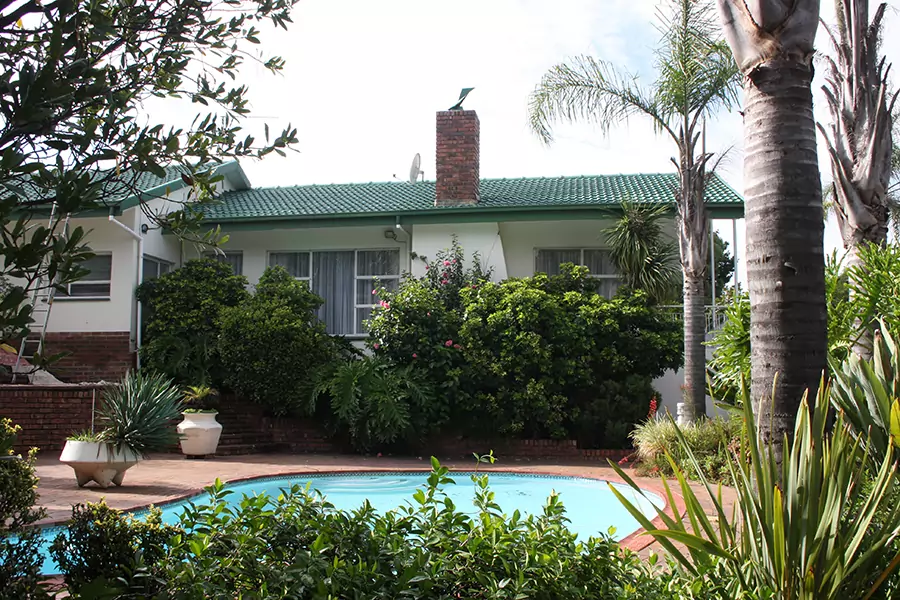
The Pretoria property offers shared residential accommodation, private counseling rooms, group spaces, gardens, a swimming pool and gazebo, braai areas, and exercise facilities. The provider also describes controlled access and security arrangements. These details establish a communal recovery environment, not a private-villa model. Ask how many people share the proposed bedroom and bathroom, what privacy is available outside sessions, and whether any mobility or personal-care need can be accommodated. Photographs and a total capacity of 24 do not determine the room allocation for an individual arrival.
The residential program describes a planned daily routine combining counseling, groups, recovery education, activities, and practical preparation for life afterward. Communal meals, leisure time, and ordinary interactions can provide opportunities to practice communication and responsibility alongside formal therapy. People who need to remain available for work or caregiving should establish what is realistic within that schedule. The published campus information does not provide a complete visiting or device policy, so those arrangements should be confirmed rather than inferred from the existence of internet access or an admissions telephone number.
Family involvement and outpatient options
Family support is included in Crossroads’ residential description, but the reviewed pages do not set out one fixed family-session schedule or guarantee a defined number of private family appointments. The useful starting point is to agree the purpose of involvement: sharing relevant history, understanding the program, improving communication, or preparing for the return home. Consent and confidentiality should be clear. Relatives may also need their own support and realistic boundaries. Their participation can contribute useful information and practical help without making them responsible for supervising every aspect of another adult’s recovery.
The network’s outpatient service offers scheduled counseling, groups, and 12-step work while the person lives at home. It may be considered after residential treatment or for someone who does not need continuous supervision. The page identifies a named facilitator at Johannesburg, so Pretoria applicants should confirm the local delivery arrangements, schedule, and clinician. Outpatient care is a separate level of support from living at the Pretoria center. Suitability depends on medical stability, a workable home environment, reliable participation, and the support available between appointments.
Fees, medical aid, and the next stage
No current numeric residential tariff was verified in the official material reviewed. Crossroads’ medical-aid page says benefits vary by scheme, membership option, clinical circumstances, and authorization requirements. It explicitly cautions that membership or benefit verification does not mean every treatment cost is funded. Request an itemized quotation for the Pretoria placement, intended duration, medical services, medication, and any extension. Written authorization should specify what has been approved and any personal contribution, particularly when the recommended 84-day program exceeds the period initially covered.
Crossroads includes relapse prevention, transition planning, and ongoing support in its recovery pathway. The next step should be concrete: who will provide follow-up counseling, which meetings are accessible, what medical reviews are needed, and how the person will respond if the plan is not working. Confirm the duration, format, and cost of any aftercare rather than assuming it is unlimited. For people comparing treatment centers, Pretoria’s distinctive offer is a shared residential community with a clearly described 12-step progression and several group formats, supported by individual assessment and planning for continued recovery.
Checked October 20, 2026 against the official Pretoria campus, program, detox, inpatient, outpatient, and medical-aid pages. Capacity is up to 24 residents in shared accommodation. Published program stages are 28, 56, and 84 days. Medical staffing, room allocation, family arrangements, outpatient location, current fees, and aftercare terms require individual confirmation.
Destinations
Conditions
Levels of care
Program approach
12-step framework, individual counseling, process and life-story groups, gender and spiritual groups, goal planning, recovery education, trauma counseling, and relapse prevention
Fees & admissions
Confirm current pricing
No current numeric tariff verified. Obtain a Pretoria-specific quotation by duration and medical needs. Medical-aid coverage depends on individual scheme benefits, authorization, limits, and personal contributions; the recommended 84-day stay is not automatically fully funded.
Confirm the current program, duration, accommodation and included services directly with the center.
Confirm Pretoria placement and individual clinical suitability, including withdrawal risks, medication, medical/nursing arrangements, room sharing, family contact, funding authorization, and aftercare delivery.