About Netcare Akeso Stepping Stones — Kommetjie
Adult addiction and dual-diagnosis care in Kommetjie
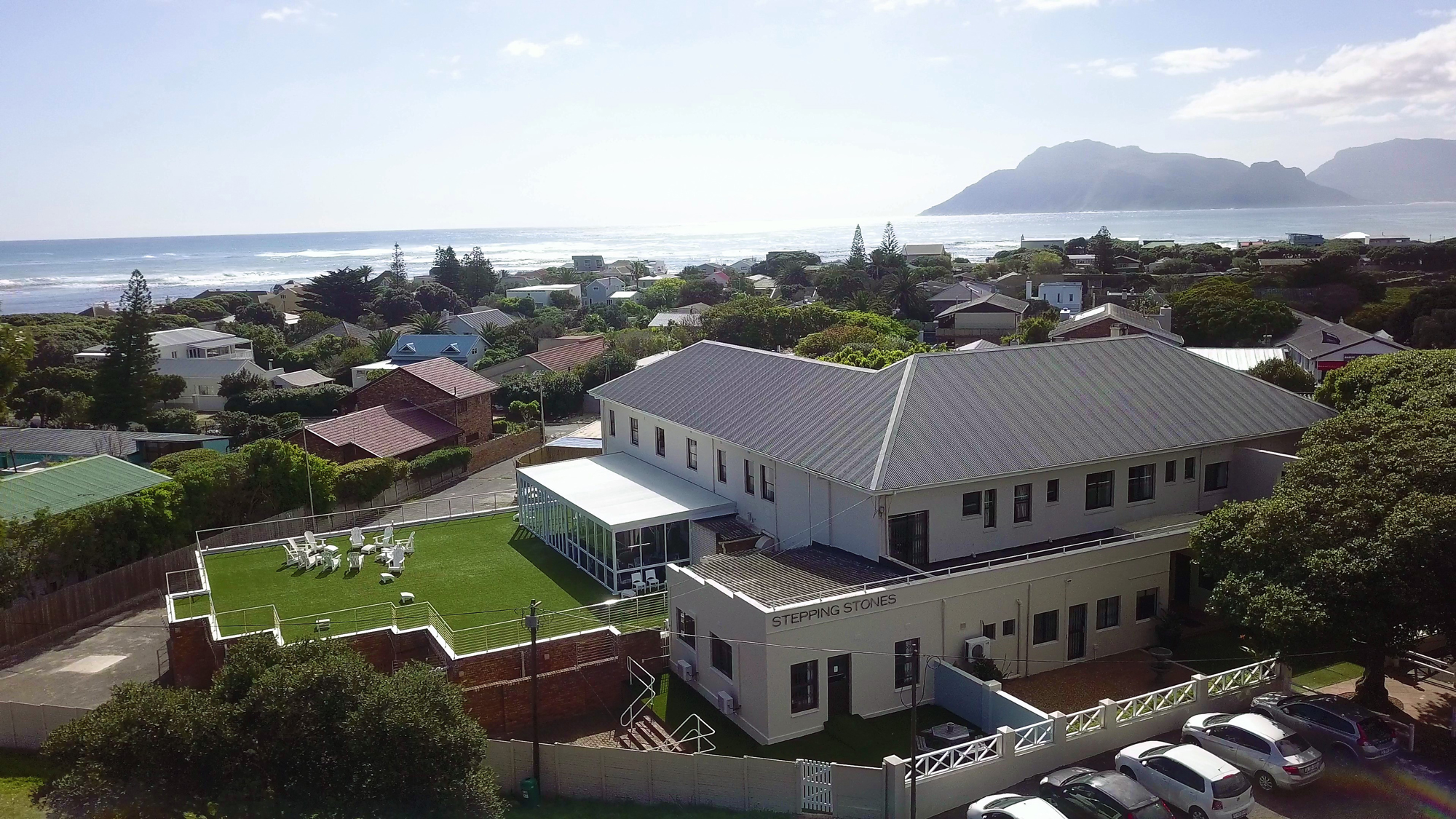
Netcare Akeso Stepping Stones is in Kommetjie, a seaside village on Cape Town’s southern peninsula. The provider’s current website describes treatment for alcohol, drug, and behavioral addictions, including gambling, with integrated care for co-occurring mental health conditions. Admissions are for adults aged eighteen and over. The coastal location and residential atmosphere are part of the setting, while the program itself is organized around assessment, medical care where needed, group and individual therapy, and preparation for ongoing recovery.
The facility is part of Netcare Akeso. Netcare’s 2025 hospital listing includes Stepping Stones within its mental health hospital portfolio, with forty-seven beds. The facility’s own description explains the allocation: nine detox places, twenty-seven dual-diagnosis primary-care places, and approximately eleven extended-care places at The Beach House. The total should not be interpreted as forty-seven identical rooms or forty-seven available places in one program. The appropriate unit depends on the proposed stage of treatment.
Medical oversight and the treatment team
The about page states that Stepping Stones is licensed and registered with South Africa’s Department of Health and Department of Social Development. It also describes registration with the Board of Healthcare Funders and Hospital Association of South Africa. Those are provider-published statements; this profile does not represent an independent inspection of the underlying certificates. Ask the admissions team about the registration and clinical scope relevant to the proposed unit if a referring clinician or insurer requires documentation.
The clinical team description includes consulting psychiatrists, general practitioners, psychologists, occupational therapists, nurses, and recovery assistants. Doctors oversee medical detox, while psychiatrists can assess associated mental health conditions and manage medication where indicated. Nursing staff are described as present around the clock. These roles serve different functions, so the care plan should identify who oversees medical decisions, who provides individual therapy, and who helps coordinate communication with family or the person’s existing clinicians.
Integrated dual-diagnosis treatment is central to this particular facility. The program page describes addressing substance use and a co-occurring mental health condition within one coordinated course of care, including detox when necessary. That is more specific than a general promise to support wellbeing. It does not, however, establish that every person seeking treatment solely for a psychiatric condition is eligible. Discuss the main diagnosis, current symptoms, and substance-use history so the team can determine the relevant admission pathway.
Detox, primary treatment, and extended care
The published program outline distinguishes detox of approximately three to seven days, inpatient primary care of up to twenty-eight days, and extended care of twenty-one days or longer. These are descriptions of separate stages, rather than a single compulsory package of fixed length. The clinical team assesses which stages are needed and can adjust the plan as treatment progresses. Confirm whether an estimated primary-care period includes detox or follows it, particularly when comparing quotes or making travel arrangements.
People do not need to complete detox elsewhere before every Stepping Stones admission because there is a dedicated detox unit on site. That availability still requires a clinical assessment of suitability. Provide accurate information about recent use, previous withdrawal difficulties, prescriptions, physical health, and psychiatric treatment. The admitting team may arrange an additional consultation before accepting the placement. A person’s existing medical needs should be discussed directly with clinicians rather than inferred to be covered by the facility’s general description of detox services.
The Beach House is an extended-care stage for people who have already completed primary treatment. The homepage requires completion of a full primary program at a licensed facility. The detailed program page also discusses transfer from a recent primary program incorporating DBT principles, with a possible period of assessment in Stepping Stones’ primary unit before moving onward. This is an important entry condition: The Beach House is not described as an interchangeable first admission for someone who still needs initial withdrawal management.
DBT, Twelve Step principles, and practical skills
The therapy description combines dialectical behavior therapy with the abstinence-based Minnesota Twelve Step model. DBT-related group work addresses mindfulness, distress tolerance, emotional regulation, and interpersonal skills. The program also encourages connection with fellowships such as Alcoholics Anonymous or Narcotics Anonymous. A prospective client should be comfortable discussing both the skills-based and fellowship-related elements. Ask how those components fit together in the weekly program and how personal beliefs or previous experiences with recovery groups are addressed.
The published group curriculum includes communication, coping, self-care, boundaries, conflict management, future planning, and relapse prevention. Its practical focus is on applying skills outside the therapy room. For example, work on boundaries may become relevant to a difficult family conversation, while planning for triggers may inform the return to work or home. These are examples of how the listed topics can connect with everyday decisions, not promises that every individual will receive the same assignments or progress at the same pace.
Occupational therapists have an explicit role in the program and may lead skills groups. The provider describes work on everyday functioning, productive routines, social participation, leisure, education, and sleep habits. That broadens the focus beyond discussion of substance use alone. A patient whose difficulties include disrupted routines, isolation, or uncertainty about returning to work can ask how those needs will be incorporated. The plan should show how group learning, individual goals, and the proposed discharge environment relate to each other.
Individual therapy, process groups, and educational sessions also form part of care. The public material lists subjects such as anxiety, depression, grief, family systems, and co-dependency. These topics may be relevant to an integrated treatment plan, but a listed group subject is not equivalent to a complete specialist course for every associated condition. Ask which difficulties will be addressed during this admission and which may require longer follow-up. The current material does not establish a universal number of private therapy hours for every client.
Accommodation and the coastal environment
The facilities page describes bedrooms with en-suite bathrooms, mostly shared accommodation, and private rooms available at an additional charge. Many rooms have sea, mountain, or garden views, but a particular view or room category should be confirmed for the actual booking. The communal model is intentional and fits the group-based approach. A private room can provide space between sessions without removing the social and therapeutic expectations of the wider program.
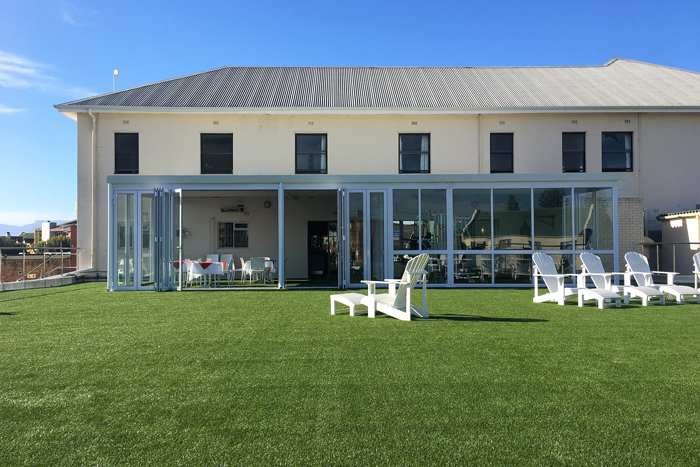
Shared spaces include a lounge with a fireplace, dining areas, television lounges, a games area, and quieter places for reflection. A conservatory gym contains cardio and resistance equipment with views toward the mountain. These facilities describe the setting rather than an unrestricted recreation schedule. The admission guidance also refers to walks, hikes, and beach-related activities. Participation depends on the current program and individual readiness, so clarify any mobility requirements and avoid assuming that every outdoor activity is suitable during detox or early stabilization.
Preparing for admission and family involvement
The admission guidance allows self-referral as well as referral by a doctor, psychiatrist, or therapist. A confidential telephone assessment starts the process, and the team can arrange further consultation when necessary. Admissions can occur throughout the week, although the provider recommends office hours so admission consultants are available. It can also arrange an airport meeting and transfer for people flying to Cape Town. Confirm the transport charge, arrival time, and final clinical acceptance before booking travel.
Requested documents include identification or a passport, medical-scheme or insurance information, medical reports, and current medication in original packaging. The published belongings policy restricts certain sharp items, glass containers, belts, supplements, and other products. Read the current list with admissions, especially when a medical device or prescribed product is essential. Personal laundry is available for an additional per-load charge. These details affect practical preparation and the total cost, particularly for someone traveling from another country for a longer course.
The provider describes involving loved ones when appropriate, with the clinical team and case manager reviewing the treatment plan in consultation with the client. Agree the purpose of family involvement and what information may be shared. A supporter may help with history, financial arrangements, or the return home without being included in every clinical conversation. For relatives abroad, confirm the available remote-contact arrangement, time-zone considerations, and whether any planned family sessions create additional fees or require separate appointments.
Medical schemes, private fees, and onward care
The funding page says the facility works with major South African medical schemes and helps obtain authorization. It describes possible coverage through prescribed minimum benefits, while also stating that co-payments may apply and clients remain responsible for accounts their scheme does not pay. That should not be interpreted as automatic full coverage for every diagnosis, room, clinician, or stage. Confirm approved days, benefits remaining, professional fees, and any difference between primary and extended care.
Private rates are supplied on request; no current numerical package price was verified. The admission guidance refers to a medical float for services that may fall outside the facility charge, such as psychiatric consultations, medication, or additional GP appointments. Private-room supplements and laundry can also affect the final bill. International insurance may require upfront payment followed by a claim. Ask for an itemized estimate in the agreed currency, with payment timing, inclusions, extension rates, and the process for unused or additional days.
Discharge preparation includes goals related to work, family, and ongoing recovery, alongside appropriate peer support and clinical follow-up. For someone returning overseas, the handover should identify a local prescriber or therapist and the practical route to continuing care. The main published admissions number is +27 73 620 0826, with +27 21 783 4230 also listed. Information was checked on October 20, 2026. The most useful comparison is between the exact detox, primary, or extended-care plan offered and the support needed after leaving Kommetjie.
Destinations
Conditions
Levels of care
Settings
Amenities
Program approach
Integrated medical and psychiatric care, DBT skills combined with abstinence-based Minnesota Twelve Step principles, individual/group therapy, occupational therapy, family involvement and discharge planning
Fees & admissions
Confirm current pricing
Private rates on request; no current numerical tariff verified. Medical-scheme authorization and benefit limits apply. Confirm professional fees, medication/medical float, private-room supplement, personal laundry, airport transfer and extended-care rates.
Confirm the current program, duration, accommodation and included services directly with the center.
Age eighteen or older. Self-referral or clinician referral with telephone and clinical assessment; detox can be provided on site when suitable. Extended care requires full primary treatment at a licensed facility and may include transition assessment. Confirm unit, room, funding and travel details.