
Care at First Steps Recovery Cypress — Shingle Springs
Cypress: First Steps Recovery’s men’s program
Cypress is First Steps Recovery’s men’s detox and residential facility in Shingle Springs, California. The provider’s current facility contact directory gives its address as 6271 Magpie Court, Shingle Springs, CA 95682. The same directory lists a separate Sacramento-area outpatient service at 3820 El Dorado Hills Boulevard, Building 400, El Dorado Hills. This distinction is important because the Cypress landing page also repeats the El Dorado Hills address in its wider site information. Confirm the correct arrival building with admissions and make travel arrangements for the treatment stage you have actually been accepted into.
The program is an option for men comparing addiction treatment in the United States, particularly those considering a residential stay in the Sacramento region. This profile concerns Cypress specifically. First Steps also operates other facilities, including programs in the Clovis area, with their own locations and arrangements. A shared brand does not mean that a room, clinical appointment, or outpatient service pictured elsewhere is provided at Cypress. Ask the admissions team to identify the exact campus whenever it discusses accommodation, treatment schedules, fees, or a later move between levels of care.
What the official program describes
The official Cypress page describes a men’s medical detox program with assessment, individual counseling, support groups, case management, and care for substance use alongside mental health concerns. The First Steps facility overview identifies Cypress as both detox and residential care. These descriptions establish the intended program, but the individual admission still requires assessment. Ask whether the proposed stay starts with withdrawal management, residential treatment after stabilization, or another arrangement. A clear explanation should distinguish each stage and identify how the clinical team decides when a move is appropriate.
The men’s setting may appeal to someone who wants to discuss relationships, identity, family roles, or difficult experiences in a group of male peers. Preferences vary, so ask how the program responds to different backgrounds and individual comfort levels. A single-gender residence does not by itself tell you about the therapeutic culture, how conflict is handled, or whether a particular person’s needs fit the current group. Discuss any concerns about safety, inclusion, or previous group experiences directly with the clinical team. The goal is a workable therapeutic environment in which the resident understands expectations and can ask for support.
Assessing detox needs before travel
If withdrawal management is being considered, describe recent substance use, prescribed medications, previous withdrawal experiences, and relevant medical conditions to the assessing clinician. Ask what information is needed from current doctors and whether an outside assessment is required before arrival. Do not make medication changes or decide how to stop a substance on the basis of a directory profile. The clinical team should explain its recommendation and any transfer arrangements. Someone already receiving hospital care will need the sending and receiving services to coordinate the handover rather than rely on an informal promise that a bed is available.
Ask what medical support is present at the residence, how often clinical reviews occur, and which services are delivered by outside professionals. It is also reasonable to ask how the program responds if a resident needs a higher level of care. The terms detox, residential, and inpatient can appear together in marketing, but they do not replace an explanation of staffing and capabilities at the actual home. If ongoing medication, a significant physical illness, mobility assistance, or a particular observation arrangement is relevant, make that need explicit before the team confirms suitability and an admission date.
Residential treatment after the initial stage
Once a residential phase is being discussed, ask for goals that are meaningful to the person entering treatment. Those might concern daily routines, relationships, managing appointments, responding to cravings, or learning how to ask for support earlier. The care plan should make clear which parts are addressed through individual appointments and which through groups or practical activities. If the person has been in treatment before, discuss what was missing or difficult in that experience. A proposed stay becomes easier to evaluate when the team explains how it will respond to those specific concerns rather than simply describing the overall program.
The Cypress page publishes a sample weekly schedule with therapeutic groups, skills work, and activities. It should be understood as an example, not a guaranteed timetable for a particular admission. Ask which sessions run currently and how the schedule changes during detox or when a resident is unwell. If a particular approach is important, find out who delivers it and how suitability is assessed. A modality listed on a website may be available within the organization without being required, available immediately, or appropriate for every resident. Clarifying this helps align expectations before the stay begins.
Mental health concerns and individual support
Where depression, anxiety, trauma symptoms, or another mental health concern accompanies substance use, ask how Cypress assesses and addresses both. The relevant questions concern access to a qualified mental health professional, medication review where needed, and coordination between clinicians. Someone seeking primarily psychiatric treatment should ask whether the program accepts that presentation and what its limits are. The co-occurring conditions directory can help frame comparisons with other services, but eligibility is determined through clinical assessment. Bring relevant records and describe which symptoms most affect everyday life and participation in treatment.
Privacy during individual work also matters. Ask how a resident can raise a sensitive concern, request a discussion about the care plan, or explain that a group topic feels difficult. Someone may need a slower introduction to particular material, a communication adjustment, or help expressing preferences. Discuss these needs as part of planning rather than waiting for a misunderstanding during the stay. The program should be able to explain how feedback reaches the responsible clinician and how changes are considered. That process is more informative than an assurance that every aspect of treatment will always feel comfortable.
The living environment at Cypress
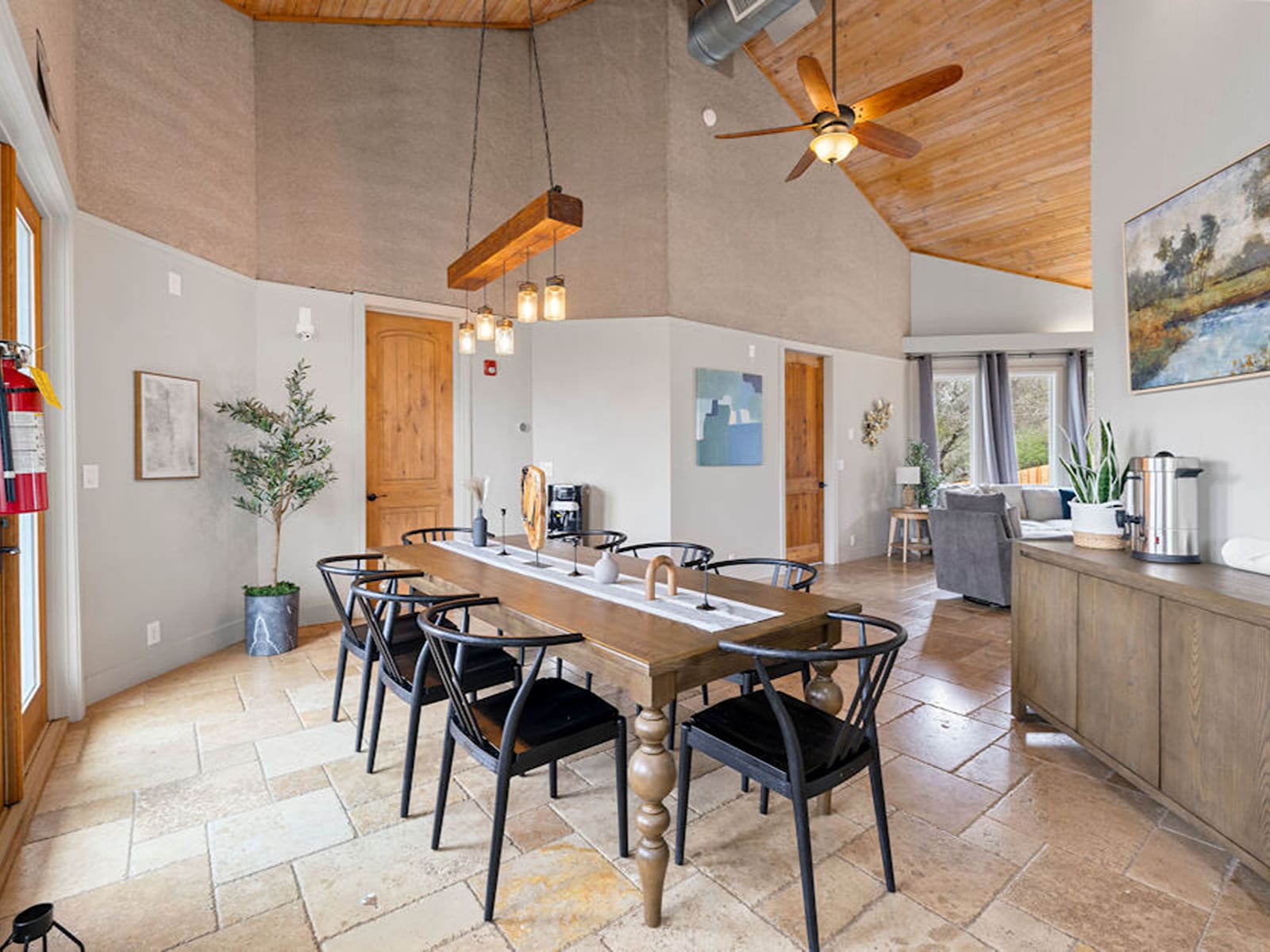
The official Cypress material presents a residential environment with outdoor space and comfortable shared living areas. The current Recovery.com listing describes shared bedrooms and shared bathrooms. Ask for confirmation of the actual room assignment at the Shingle Springs home before relying on photographs or assuming a private room is available. Confirm whether the proposed room is private or shared, how many people use the bathroom, and whether any allocation depends on clinical needs. A private bedroom should not be assumed from the general language of comfort or luxury. If a specific arrangement is essential, have it confirmed for the actual admission dates and ask about any associated charge.
Plan for the ordinary details of living at the residence. Ask about permitted belongings, laundry, phone access, dietary requirements, visits, and opportunities for quiet time. Explain any allergies, medical equipment, accessibility needs, or sensory concerns before arrival. A family member helping with packing can request the current written list rather than borrowing one from another First Steps location. These practical arrangements influence how manageable the first days feel, particularly when a resident is tired or adjusting to a new routine. They also help avoid bringing items that the home cannot safely store or accommodate.
Keeping outpatient care separate from the residence
First Steps has a distinct Sacramento-area outpatient program offering partial hospitalization and intensive outpatient care. The official contact directory places that service in El Dorado Hills. If it is proposed after Cypress, ask how the move will work, where you will live, and whether transport is arranged. Participation in an outpatient program does not automatically include accommodation. A person traveling from elsewhere should understand the full sequence before assuming that a residential booking covers the weeks that follow.
Consider the same transition questions if continuing care will take place nearer home. Ask who will identify an appropriate local service, transfer records with consent, and help arrange initial appointments. If work, childcare, or travel would make a suggested schedule impractical, discuss those constraints early. The provider may describe a full continuum across its organization, but the resident still needs a plan tied to actual addresses, appointment times, and payment arrangements. Clarifying these details helps distinguish clinical continuity from the practical task of moving between separate locations and levels of support.
Fees, insurance, and written estimates
On October 20, 2026, the Recovery.com listing for the men’s program displayed estimated cash-pay rates of US$1,200 per day for inpatient care and US$1,000 per day for detox. These are third-party estimates and use that directory’s treatment labels. They are not a provider-confirmed quotation for an individual Cypress admission. Obtain a written estimate stating the exact location, level of care, expected duration, inclusions, and circumstances that could change the bill. Keep the detox and residential amounts separate rather than combining them into a single package or monthly rate.
First Steps invites insurance inquiries, but coverage needs to be checked for the specific service and the patient’s plan. Ask the insurer and provider about network participation, authorization, cost sharing, and any professional services billed separately. An outpatient benefit does not by itself settle coverage for a residential stay, and a residential authorization may not include later housing or transport. If private payment is required, ask how deposits, extensions, and early departure are handled. Keep the financial explanation with the admission plan so that practical decisions are made using the same treatment sequence the clinicians have proposed.
Questions to settle before admission
A useful final conversation should confirm Cypress’s Shingle Springs arrival address, the clinical entry stage, the actual bedroom arrangement, and the plan after residence. Ask who will answer medical questions and who handles financial or travel details. First Steps publishes (877) 379-8119 as its contact number. If comparing another First Steps location, review its separate details, such as the Clovis profile, rather than assuming the programs are interchangeable. Choose on the basis of the assessed needs and confirmed arrangements, with enough clarity that the resident understands what is being agreed and where each part of care will take place.
Conditions
Levels of care
Settings
Treatment approach
Provider-described medical detox, assessment, individual counseling, groups, case management, and co-occurring support
Fees & admissions
USD 1,200 / day
Recovery.com estimates checked 2026-10-20: inpatient USD 1,200/day; detox USD 1,000/day, using its labels. Not a verified provider tariff. Do not use conflicting FAQ USD 31,400/Residential or imply PHP/IOP fees refer to Cypress residence.
Confirm the current program, duration, accommodation and included services directly with the center.
Clinical assessment and exact-campus confirmation before travel