Finding the right kind of program in Indonesia
The Indonesia listings in this directory focus on programs in Bali. That is a description of the directory’s present coverage, not a complete account of addiction and mental health services across the country. A reader researching treatment in Indonesia should first establish whether a listed service provides the level of care they need. A residential recovery program, a private therapeutic retreat, and hospital treatment may all involve an extended stay, but their staffing, admission criteria, and ability to respond to medical problems can differ substantially.
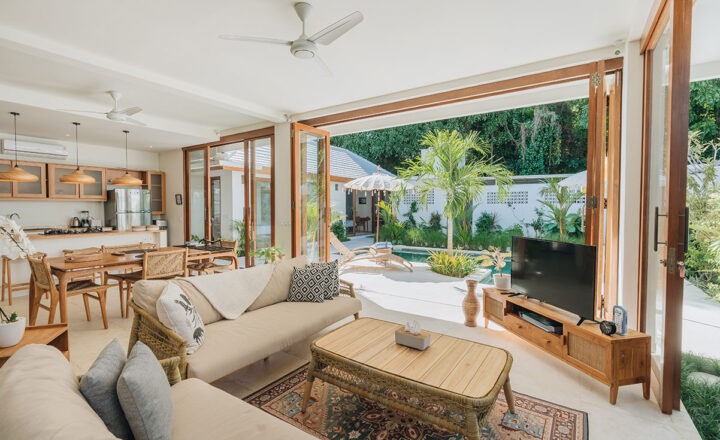
Bali’s villas, coastal locations, and retreat environments are prominent in provider descriptions. Those features can help someone understand daily life during a stay. They cannot establish whether a program is suitable for withdrawal management, an acute psychiatric condition, or a complex physical illness. Begin with clinical assessment, then consider the practical advantages and limitations of traveling. The listings above are research leads. The guidance below is designed to help you turn attractive descriptions into specific questions that can be answered before admission.
Compare the published care model, not just the setting
The Lighthouse Bali in Sanur describes individual programs with private-villa accommodation. Its published program page presents a primary individual recovery program. Other wording elsewhere on the provider’s website is less consistent about the scope of primary care. Ask the clinical team to confirm the exact service being offered, the medical assessment required, and the conditions it cannot manage. Do not assume that the word inpatient establishes hospital-level capability.
The directory also includes Bali Beginnings in Uluwatu, Ascendant Bali, The Place Retreats in Seminyak, and Thera Bespoke in Ubud. These profiles are useful for identifying providers and their published sources. Read each service description separately, because a shared destination does not imply shared credentials, treatment methods, staffing, or admission standards. Confirm current location and availability directly rather than relying on an older directory entry.
Clarify who provides medical care
Ask who carries out the pre-admission assessment and who is responsible after arrival. Identify the physician, psychiatrist, therapist, and other staff roles involved in the proposed program. A recovery coach or support worker can have an important role, but that title does not answer who can diagnose, prescribe, or manage a medical emergency. Request a schedule of clinical availability and a clear explanation of what overnight support means in that particular service.
If medical care is delivered by an external clinic or visiting professional, establish how appointments are arranged, how quickly the person can be seen, and who receives the clinical records. Ask whether transport and consultation charges are included. The receiving program should explain what happens when someone’s needs exceed its resources. This is a practical question about continuity and responsibility, particularly when a villa or retreat is some distance from the service providing medical support.
Resolve withdrawal and medication questions before travel
Someone considering addiction treatment may need an assessment of withdrawal risk before committing to a program abroad. The US government’s treatment overview distinguishes detoxification from ongoing treatment. Completing a withdrawal-management phase does not by itself establish that a person has received the longer-term support they need. Ask whether assessment or stabilization should happen close to home, whether the Bali program provides the relevant service, and how the transition between teams would be organized.
Travel arrangements should follow clinical advice. Do not abruptly stop medication or substance use to meet a travel timetable without appropriate medical guidance. Before departure, ask official Indonesian authorities and the prescribing clinician about bringing each medication, including the required documentation and any restrictions. The program should explain how a legitimate prescription will be continued after arrival and what happens if a particular medicine is unavailable. Do not rely on informal assurances that every prescription can simply be purchased locally.
Understand the difference between individual and group care
An individual program may appeal to someone who wants a private schedule or finds a shared treatment environment difficult. Ask how many individual clinical sessions are included, who provides them, and what fills the rest of the day. A program with a private villa might still use community meetings, external activities, or shared services. Equally, a program with group therapy may offer a private bedroom. These arrangements should be described separately so that privacy expectations match the actual stay.
For group-based care, ask about group size, the language used, facilitator qualifications, and how participation is adapted when someone is distressed or has accessibility needs. For individual care, ask how social support and the return to ordinary relationships are addressed. Neither model is automatically better for every person. The relevant question is how the proposed structure serves the person’s needs and how progress will be reviewed. Our guide to a residential stay helps make the daily schedule easier to compare.
Look closely at trauma and mental health claims
Some Bali providers describe trauma work, emotional recovery, or mental health retreats alongside addiction treatment. Ask which specific conditions are assessed and treated, which professional oversees that work, and whether the program can support people without a substance-use problem. A general wellness schedule may have a different purpose from a treatment plan for a diagnosed mental disorder. Clear admission criteria help readers understand where the service’s role begins and ends.
The National Institute of Mental Health explains that psychotherapy should be selected around an individual’s needs and medical situation. Use that principle to ask why particular therapies are proposed, how the therapist is qualified, and how outcomes will be discussed. A long menu of modalities does not show which ones a person will actually receive. Readers can also compare the directory’s trauma, mental health, and co-occurring conditions pages.
Make the location practical for the person staying there
The place name in a Bali listing should lead to a discussion about the actual property and routine. Ask for the admission address, an accurate description of the room, access to treatment rooms, and the transport involved in appointments. If the person has mobility, sensory, sleep, or dietary needs, request specific answers about those needs. Photographs of a pool or garden will not show whether a staircase, shared bathroom, or noisy route creates a practical difficulty.
Ask which activities are optional and what alternatives are available. Someone may prefer a quiet routine, have physical limitations, or want to avoid activities that feel culturally or personally uncomfortable. Treatment should be discussed in terms of what is clinically proposed and what is recreational. Clarify supervision, insurance, additional charges, and the process for declining an activity. The aim is to understand how an ordinary week will work, including rest and medical appointments, rather than build expectations from a holiday-style itinerary.
Check language, consent, and family contact
Confirm the language used in psychotherapy, medical consultations, group sessions, contracts, and discharge records. An English-language website does not establish that every staff member or external clinician communicates in English. If professional interpretation is needed, ask who arranges it and how confidentiality is protected. The patient should be able to understand the proposed care, ask questions, and discuss concerns without depending entirely on a relative to interpret sensitive information.
Family contact deserves its own agreement. Ask about calls, visits, family therapy, and updates, while respecting the patient’s choices about information sharing. Families in another time zone may need appointments planned in advance. Establish who can be contacted about logistics and who can answer clinical questions with consent. A relative paying the bill and a clinician coordinating care have different roles; written permissions help prevent avoidable confusion once the person is abroad.
Build a complete budget for the whole episode of care
Ask for a written quote with the currency, duration, accommodation, clinical schedule, medical services, and aftercare clearly identified. Compare the price of the actual proposed plan rather than the lowest advertised package. Potential differences include airport transfers, off-site appointments, prescription costs, laboratory tests, companion accommodation, additional individual sessions, and extensions. If a provider cannot state a total before assessment, ask which elements are fixed and which depend on clinical findings.
Review cancellation, early-departure, and refund terms before paying a deposit. Check insurance directly with the insurer, including planned treatment abroad and any separate travel coverage. An assurance that paperwork can be supplied is different from confirmation that a policy will pay. Our cost and insurance guide can help organize quotes. A realistic budget also includes care after returning home, because the least expensive residential quote may not represent the lowest total cost of a workable treatment plan.
Plan continuing care before the flight home
Ask what happens during the final part of the stay and who will coordinate the handover. A useful discharge discussion identifies the next clinician, appointments, medication responsibilities, relevant records, and the support available if difficulties return. If remote sessions with the Bali team are offered, clarify their frequency, duration, price, and whether the professional can provide them where the patient will be located. “Ongoing support” needs this detail to become a dependable arrangement.
The return home may involve practical decisions about work, relationships, housing, and local support. Discuss these during treatment rather than leaving them to the departure day. A family can help with logistics, but it should not be expected to replace a clinical service. The patient and treatment team should agree how concerns will be communicated, what follow-up is booked, and where urgent help can be obtained locally. Distance from a previous routine is temporary; the next plan needs to work within everyday life.
Use the directory to prepare a focused conversation
Choose a small shortlist based on clinical scope, then compare location, schedule, accommodation, and cost. Read the source links in each profile and ask providers to confirm anything that is unclear or inconsistent. This is particularly important for programs that use several labels, offer different packages, or have changed websites. A clear written answer about the service being offered is more useful than an assumption based on a familiar brand name.
Take the shortlist and our admission questions to a qualified clinician who understands the person’s needs. Consider suitable options nearer home alongside international programs. The purpose of this Indonesia page is to make the available listings easier to assess and the unanswered questions easier to see. A decision is better supported when medical responsibility, consent, daily structure, total cost, and continuing care are understood before travel is booked.